2026 Georgetown University Research & Innovation Showcase
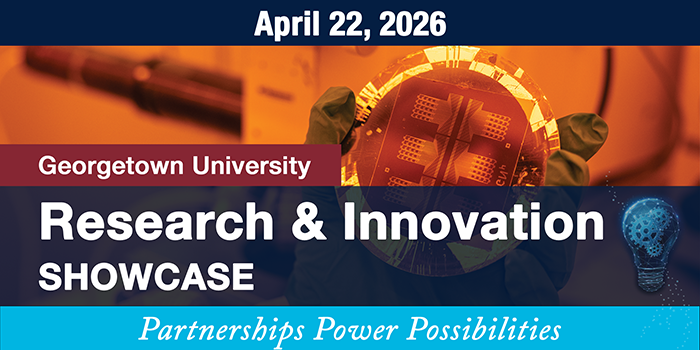
In 2026, we’re returning with a reimagined and even more packed showcase with the theme Partnerships Power Possibilities. Hosted by OTC in partnership with the Office of Advancement and Georgetown Entrepreneurship at the McDonough School of Business, the event features a full day of learning, networking, and recognition.
Historically, Georgetown has launched transformative technologies like the whole-body CT scanner, the allergy medication Allegra, and the HPV vaccine Gardasil. The research featured at the showcase this year will become the next-generation solutions of tomorrow.
Mark your calendars and watch for event updates via the OTC LinkedIn account and newsletter. We’ll also add details about speakers and topics as the event date approaches.
Mark your calendars for the 2026 showcase!
DateApril 22, 2026
Time10 AM to 7:30 PM
VenueLohrfink Auditorium, Rafik B. Hariri Building, McDonough School of Business, Georgetown University
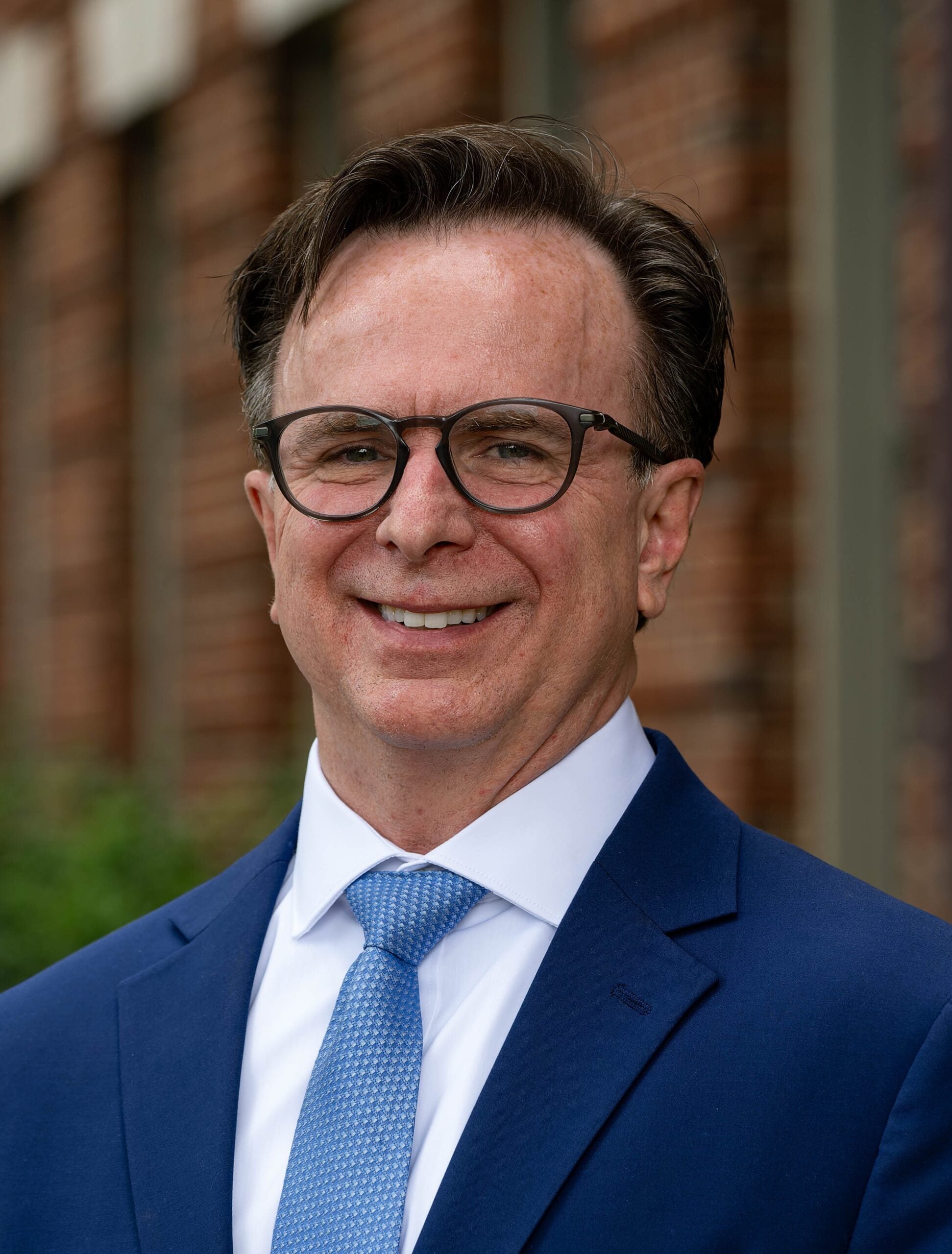
Deputy Under Secretary of Commerce for Intellectual Property and Deputy Director of the United States Patent and Trademark Office
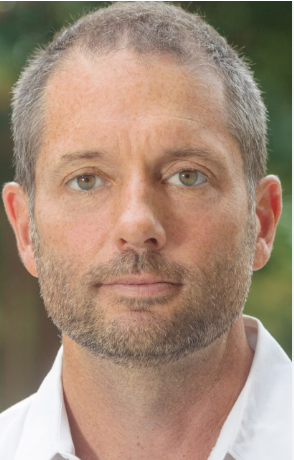
Coke Morgan Stewart is the Deputy Under Secretary of Commerce for Intellectual Property and Deputy Director of the U.S. Patent and Trademark Office (USPTO), where she supports one of the largest intellectual property (IP) offices in the world—a $5B operation with almost 14,000 employees located across the 50 states and Puerto Rico. Ms. Stewart has a distinguished career in intellectual property law and policy. She has worked at the USPTO for more than 10 years in a variety of senior roles, including as Acting Director in 2025. She has handled more than 70 appeals before the U.S. Court of Appeals for the Federal Circuit. She has advised the Department of Justice Civil Appellate Staff and the Office of the Solicitor General on dozens of patent, trademark, and copyright cases before the U.S. Supreme Court. And, in private practice, she represented both patent holders and accused infringers in patent infringement cases throughout the United States. Ms. Stewart is a graduate of Duke University, cum laude, and the University of Virginia School of Law, where she served as Executive Editor of the Virginia Tax Review and Editor-in-Chief of the Virginia Law Weekly.
Breakthrough ideas change lives — but only when they move beyond the lab. Hear from national policy leaders, investors, and innovators as they discuss the critical role universities play in advancing research that serves the public good, fuels economic growth, and drives the future of American innovation.
Discovery to Impact
Norman J. Beauchamp Jr., MD, MHS, serves as Executive Vice President for Health Sciences at Georgetown University Medical Center. He is responsible for advancing the educational and research missions of Georgetown University Medical Center including the robust and full integration of a shared academic mission with its academic health system partner of MedStar Health.
Tatiana Litvin-Vechnyak, PhD, is the vice president for technology commercialization at Georgetown University, having assumed the role in February 2023. She spearheads technology transfer initiatives to foster innovation and faculty entrepreneurship. Litvin-Vechyak will moderate the panel.
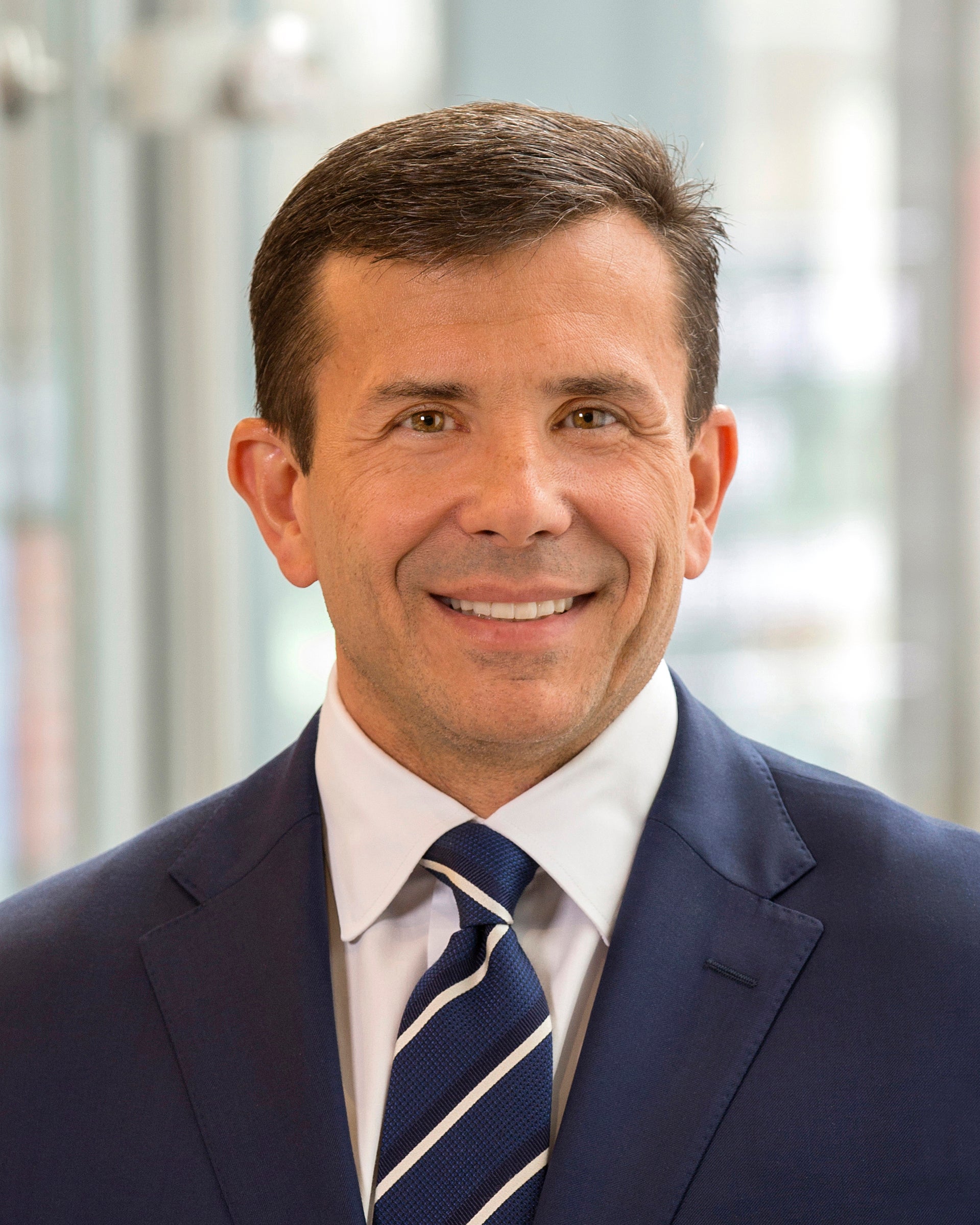
John F. Crowley, JD, MBA is the president and CEO of the Biotechnology Innovation Organization (BIO), the premier biotechnology advocacy organization representing biotech companies, industry leaders, and state biotech associations in the United States and more than 35 countries around the globe.
Stephen J. Susalka, PhD, is the CEO of AUTM, the non-profit leader in efforts to educate, promote and inspire professionals to support the development of academic research that changes the world and drives innovation forward. He works to ensure that AUTM serves the needs and interests of its members through strategic planning, outreach and advocacy, while empowering association members and promoting the profession.
Kiran Reddy, MD, MBA, is a senior managing director in the Blackstone Life Sciences group, having joined in May 2020. Reddy was previously the president and CEO of Praxis Precision Medicines, which he co-founded in November 2016.
Leading Georgetown researchers discuss cutting-edge research and the real-world problems we are actively addressing.
Targeting Mitochondrial Metabolism for First-in-Class Therapeutics in Cancer, Obesity and Aging
Maria Laura Avantaggiati, MD, an associate professor of oncology, drives “bench-to-bedside” cancer research. A NIH-trained expert in p53, her focus is on designing drugs that target mitochondrial metabolism for application in several human diseases, including obesity, cancer and rare pediatric diseases.
Nagi G. Ayad, PhD, is a professor in the department of oncology and associate director of translational research at the Lombardi Comprehensive Cancer Center at Georgetown University Medical Center. Ayad received his undergraduate degree from Rutgers University in 1992, worked for Merck & Co., Inc. as a biochemist and then pursued graduate studies with Ira Mellman at Yale University. He completed his PhD in cell biology in 1998 and moved to Harvard Medical School in 1999 to perform a postdoctoral fellowship with Marc Kirschner. He has held faculty positions at the Scripps Research Institute and the University of Miami before joining Georgetown University. He has published extensively on the cell cycle and brain cancer, and has developed novel small molecules and computational programs for treating medulloblastoma and glioblastoma.
Matthew Biel, MD, is a professor and the Marriott Chair in Child, Adolescent, and Family Mental Health in the department of psychiatry, and division chief of child and adolescent psychiatry at MedStar Georgetown University Hospital. He co-directs the Early Childhood Innovation Network. Biel’s work focuses on adversity, reducing health disparities, and improving mental health access for underserved children in DC.
Promoting brain repair through immune reprogramming
Jeffrey K. Huang, PhD, is an associate professor in the departments of biology and neurology at Georgetown University. He leads an interdisciplinary research program focused on the mechanisms of neuroinflammation and brain repair. His work integrates neurobiology, immunology, and translational science to understand how immune cells—particularly microglia and T cells—regulate myelin regeneration in multiple sclerosis (MS) and related neuroinflammatory and neurodegenerative disorders.
Priyanka Joshi, PhD, investigates how cellular metabolites influence protein misfolding and homeostasis in aging and neurodegenerative diseases like Alzheimer’s. As a tenure-track assistant professor at Georgetown, she directs the Laboratory of Biomolecular Homeostasis and Resilience, using structural proteomics to uncover new therapeutic strategies.
A non-invasive, dual-function dermal patch to diagnose cystic fibrosis
Makarand Paranjape, PhD, is an associate professor in physics at Georgetown and director of the Georgetown Nanoscience and Microtechnology Laboratory (GNμLab) cleanroom facility. A fellow of the National Academy of Inventors, he develops novel biomedical devices, including non-invasive skin patches for both sensing biomarkers and transdermal drug delivery. His translational research bridges cutting-edge micro-/nano-technology with practical healthcare solutions.
The Center for Neuroengineering: A global alliance for advancing mind and brain health
Maximilian Riesenhuber, PhD, is a professor in the department of neuroscience at Georgetown University Medical Center and co-director of Georgetown’s Center for Neuroengineering. His research uses computational modeling, brain imaging and EEG to understand how the brain makes sense of the world, and how these insights can be translated to neuromorphic AI and augmented cognition applications.
AvesTerra®️: A Framework for Global Knowledge Orchestration
J. C. Smart, PhD, is a research professor of computer science at Georgetown University and chief scientist for the Office of the Senior Vice President for Research, overseeing science activities on global systems (sustainability, world health, security) and leading the ATra program for sensitive data analysis.
Alejandro Villagra, PhD is an associate professor at Georgetown University specializing in tumor immunology and epigenetics. His research focuses on how epigenetic modifiers, particularly HDACs, regulate immune and cancer cell functions. He is a pioneer in developing selective small-molecule inhibitors to enhance antitumor immune responses. With over 67 publications and funding from the NIH and CRI, Villagra’s translational work bridges the gap between molecular discovery and clinical immunotherapy
The Red House Journey Framework: The Missing Infrastructure of a Healthy Democracy
Kate Woodsome is a Pulitzer Prize–winning journalist, Georgetown University visiting scholar and founder and executive director of the Invisible Threads Impact Lab , building the personal and civic resilience democracy depends on.
Time to talk and network with your peers and future collaborators. Lunch will be provided. Please register via Eventbrite so organizers have an accurate head count for planning purposes.
1 pm – 2 pm: Industry & Investor Reverse Pitch
Strategic Priorities & Partnership Opportunities: Industry leaders and investors will share their current areas of research focus, unmet needs, and strategic priorities — offering faculty, innovators, and new ventures a direct window into where collaboration is most needed. This session is designed to spark meaningful dialogue, surface alignment, and catalyze new partnerships at the intersection of discovery and real-world application.
Reverse Pitch
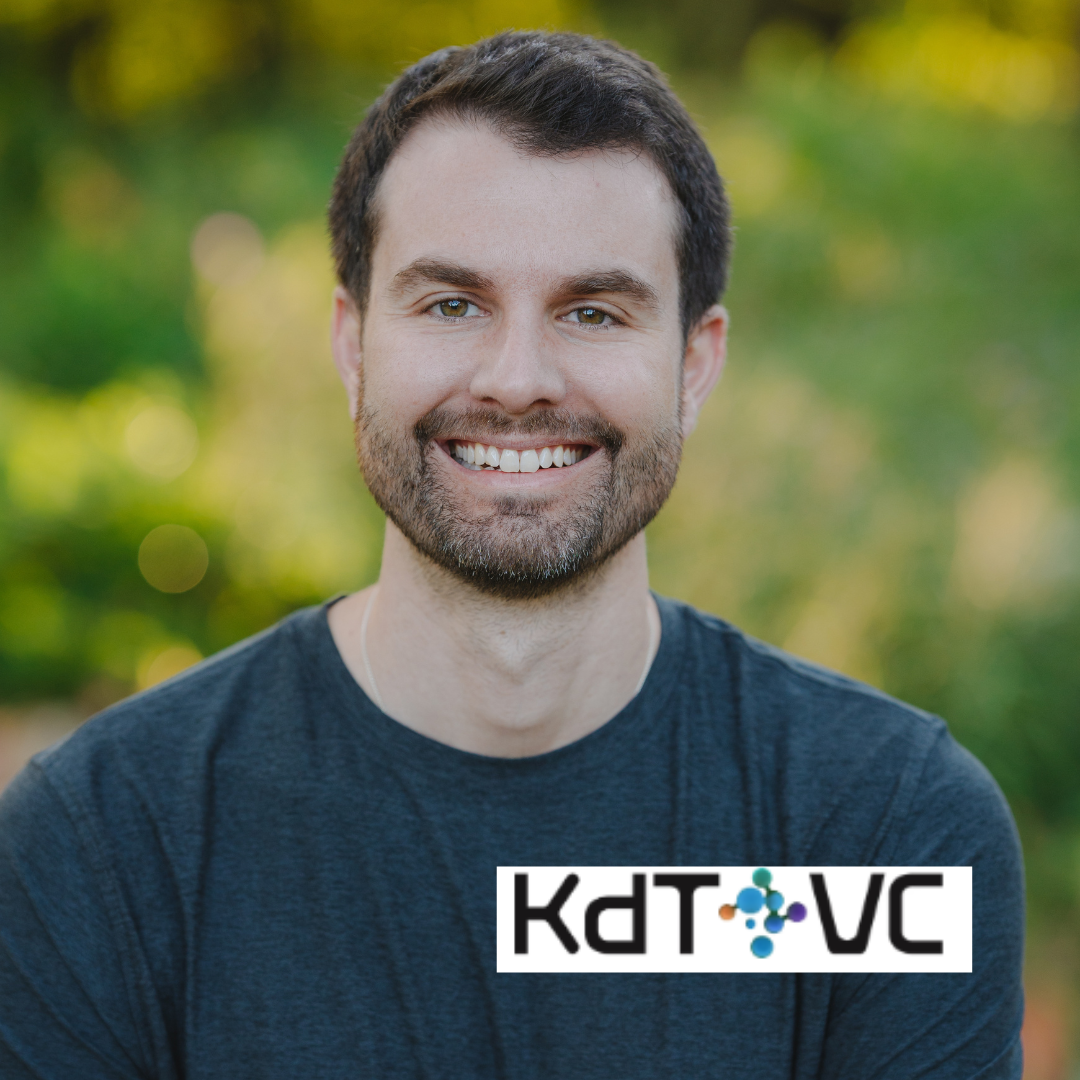
Patrick Malone is a partner at KdT Ventures, an early-stage venture capital firm focused on the intersection of biology, chemistry, and technology. Founded in 2017, KdT has partnered with 70+ science-driven companies across the life science, healthcare, and chemical and materials industries. Prior to becoming a venture capitalist, Malone completed his MD and PhD in computational neuroscience at Georgetown University, where his research focused on machine learning applications in medicine. Before medical school, Malone was a research fellow at the NIH focused on biomarker development for neurodegenerative disease, and completed his BS in neuroscience and behavioral biology at Emory University.
KdT Ventures is an early-stage venture capital firm focused on investing in science-driven companies at the intersection of technology and the physical world. Based in Austin, Texas, and Research Triangle, North Carolina, KdT partners with founders in biotechnology, healthcare, sustainability, and beyond, offering deep technical and strategic support to build transformative companies.
Manbir Singh is the program manager for BARDA Ventures and the BARDA Accelerator Network at the Biomedical Advanced Research and Development Authority (BARDA), within the US Department of Health and Human Services (HHS), Administration for Strategic Preparedness and Response (ASPR). In his role, Singh helps grow and foster the medical countermeasures startup ecosystem by accelerating the development and commercialization of next-generation health security solutions through entrepreneurial mentorship and non-dilutive funding programs via the BARDA Accelerator Network, along with equity investments through BARDA Ventures. Singh’s background is in infectious disease research before transitioning to venture building, commercialization, and technical and business support for early-stage innovators and entrepreneurs transitioning their technology from the bench to market. Before joining BARDA, Singh led and supported multiple federally funded deep tech startup studios and accelerator programs, managing partnerships, technology sourcing, and due diligence with labs across the DoD, DHS, DOE, NASA, NIST, HHS, the VA, and several universities.
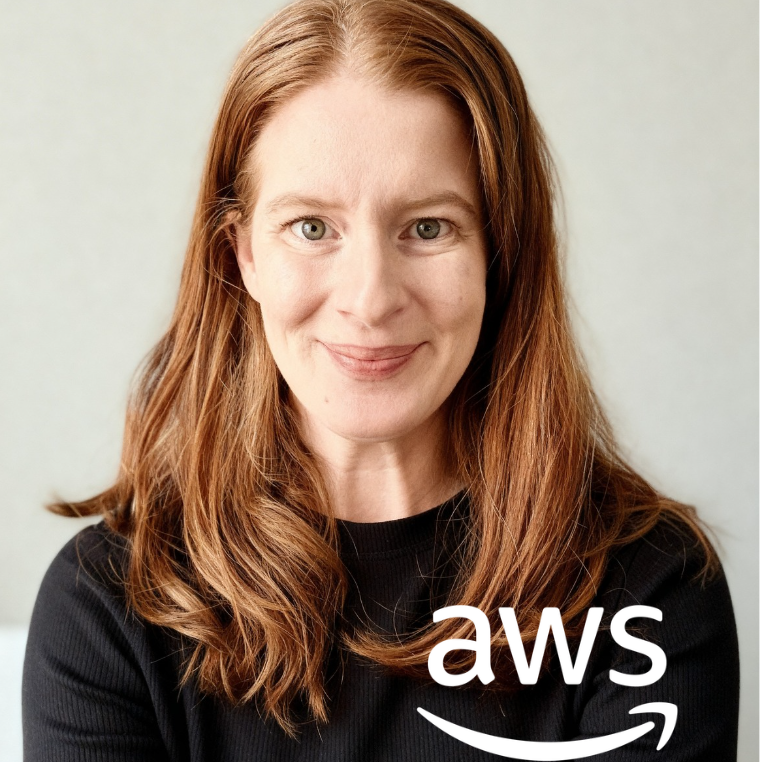
Maryclaire Abowd is a senior business development manager on the Amazon Web Services (AWS) Worldwide Public Sector Global Education team, based in Washington, DC. She works with education and research customers around the world to help them harness the power of cloud technology to advance their missions. With more than 12 years of experience in the IT and services industry, Abowd focuses on go-to-market strategy for the global education sector, with a particular emphasis on academic research, helping universities and research institutions unlock the full potential of cloud and artificial intelligence to drive meaningful outcomes. Her passion for global education was shaped in part by her time at the American University in Cairo Onsi Sawiris School of Business, where she worked prior to joining AWS, an experience that deepened her commitment to expanding access to transformative technology for learners and researchers worldwide. Abowd holds a bachelor of arts degree in international studies and Middle East and Islamic studies from Boston College and a graduate degree from the London School of Economics, and she was awarded a United States Fulbright Award to conduct independent research at Cairo University.
Esther Park, PhD, is the associate director of ventures at Blackbird Laboratories, where she supports early drug discovery research programs and external partnership relationships. Blackbird Laboratories is an independent, nonprofit life sciences incubator dedicated to transforming research breakthroughs into scalable, venture-ready biotech companies. Blackbird collaborates with world-class institutions and scientific partners to propel its portfolio of innovative technologies toward startup formation through its science and business strategy, program management, and capital.
Marine Dumont is a search and evaluation analyst at Servier, based in Boston. In this role, she contributes to the scouting and evaluation of novel therapeutics to support Servier’s oncology pipeline and broader external innovation efforts. She works closely with academic institutions and early-stage biotechnology companies to identify promising scientific opportunities and explore potential collaborations. Prior to joining Servier, Dumont worked at GSK and has built her career within the pharmaceutical industry.
Nitin Goel is Head of Early Commercial for Vaccines & Immune Therapies (V&I) at AstraZeneca. In this role, he leads commercial strategy, planning, and valuation for emerging assets within AZ’s V&I portfolio. He partners with early-stage viral and bacterial product teams to guide development of internal assets – and evaluate external (BD) opportunities – to build a winning portfolio focused on unmet need, competitive positioning, and market access.
Scott T. Shepherd is a Scientific Engagement Manager for East North America at for Johnson & Johnson. He leads strategies to identify, engage, and support pre-spinout and early-stage life science companies aligned with J&J’s innovation priorities. His work focuses on leveraging external programs and strategic partnerships to advance emerging solutions across oncology, immunology, neuroscience, cardiopulmonary disease, and other priority areas.
Startups backed by Georgetown research, students, and alumni showcase their companies to you.
Faculty Ventures
Bonne Terre Labs was founded on a simple belief: technology should serve humanity, not the other way around. In a world facing unprecedented climate challenges and growing social inequities, we saw an urgent need for tools that translate complex data into actionable insights. The company partners with communities, public agencies, and researchers to create platforms that make climate and equity data accessible, understandable, and ready to use. From coastal towns preparing for rising seas to cities addressing systemic inequities, Bonne Terre Labs’ work empowers decision-makers with the information they need to build a more resilient and just future.
Cession Oncology is a biotechnology company developing targeted RNA therapeutics for pancreatic cancer. Its lead platform, CO101, is a nanoparticle delivery system designed to overcome key barriers in solid tumors, including poor penetration and off-target toxicity. Developed at Georgetown University and advanced in collaboration with the National Cancer Institute, CO101 enables selective delivery of RNA payloads to tumors and is advancing toward IND.
Hupside is the first company in the world built to fix the AI sameness crisis, the silent force flattening ideas, narrowing innovation, and erasing differentiation across industries. While organizations pour billions into AI tools, 95 percent still fail to see ROI because they aren’t addressing the most important variable: people. Hupside introduced a new category called Original Intelligence (OI), the measurable human capacity to create ideas that break out of AI’s probabilistic patterns. Backed by scientists and experts from Georgetown University and Washington & Lee University, Hupside’s technology quantifies what AI cannot: the human originality that drives real innovation. In a world where AI makes everything faster but increasingly the same, Hupside ensures organizations can still deliver what wins: ideas that are unexpected and unmistakably human.
Nextgen Magnets is a deep-tech startup dedicated to revolutionizing the magnetics industry through the development of rare-earth-free permanent magnets. Utilizing proprietary technology licensed from Georgetown University, the company is addressing the critical supply chain vulnerabilities and environmental costs associated with traditional rare-earth mining.
PushCART Therapeutics is a newly-formed spinout from Georgetown University. The company has worldwide, exclusive rights to a portfolio of inventions developed by Louis Weiner, who served for 18 years as director of the Lombardi Comprehensive Cancer Center. The company’s technology uniquely addresses a major obstacle in the treatment of solid tumors (e.g., pancreatic, lung, colorectal, comprising 90% of all cancers) – namely, the ability of immune cells to penetrate the dense fibrosis (scar tissue) that walls off the tumor. PushCART’s technology also is applicable to a wide range of fibrotic diseases, which together contribute to about 45 percent of all deaths in Western countries. The company currently expects to be in Ph1 clinical trials by Q2 or Q3 of next year.
Uvantis Therapeutics is a biotechnology company developing live biotherapeutic products targeting the urinary microbiome to prevent and treat recurrent urinary tract infections (rUTIs). Growing evidence shows that disruption of the urinary microbial ecosystem contributes to infection susceptibility and recurrence. The company’s lead program focuses on a defined microbial therapeutic designed to colonize the urinary tract and reduce pathogen overgrowth. By advancing microbiome-driven approaches to urologic disease, Uvantis aims to deliver durable, non-antibiotic treatment options that address a major unmet clinical need while helping reduce antibiotic resistance.
Xlue, an artificial intelligence focused company, is building health foundation models that empower the entire healthcare ecosystem. By adapting frontier, large language models to real-world medical data, Xlue enables smarter decisions, deeper insights, and safer care across clinical practice. Built exclusively on patented technology and proprietary medical data, Xlue bridges frontier AI research and real-world healthcare, creating the foundation layer that connects data, compute, and clinical practice. With deep academic and industrial roots and global clinical partnerships, Xlue is redefining how the healthcare ecosystem leverages trustworthy, explainable, and clinically proven AI to revolutionize medicine. Through their use of Xlue technology, clinical partners are providing a more-informed, hence better, care for their patient population.
1104Health is building the infrastructure for collaborative oncology care. The company’s AI-powered Shared Care Network connects oncologists, clinical trials, and pharmaceutical companies to accelerate patient access to new cancer treatments. While pharmaceutical companies invest billions to develop oncology drugs, most patients are treated in community settings where physicians lack tools to easily identify trials or coordinate care across institutions. As a result, promising therapies often reach patients far too slowly. 1104Health enables oncologists to collaborate, access education, and coordinate patient care through a digital network.
PeraWatt is an advanced materials company redefining energy efficiency in AI data centers, industrial power systems, and electric vehicles by delivering a new class of highly efficient magnetic materials that do not rely on critical minerals or rare earths.
Sophia Spatial AI is pioneering spatial intelligence — AI systems that understand and reason about the physical world. By combining multimodal AI, computer vision, and AR-native interfaces, the company transforms static enterprise knowledge into real-time, context-aware guidance for frontline workers. Its platform bridges digital information and physical environments to improve training, safety, and operational efficiency across industrial sectors.
Capsy is a social photo sharing app where friend groups create shared time capsules for experiences — a spring break trip, a semester, a concert — and unlock them together at the end, seeing all the photos and videos for the first time simultaneously. Because nothing is visible until the reveal, Capsy takes the pressure off in-the-moment sharing, helps people stay present, and makes memories feel worth documenting again instead of getting buried in a camera roll nobody looks at. Launched on the App Store in August 2025, Capsy has secured $20K through Georgetown’s Bark Tank, earned a Forbes feature, and built 85% week-one retention among early users.
Panikcure™ is building an AI-driven Neuro-Decision Intelligence platform to improve decision-making in Central Nervous System (CNS) drug development. Nearly 80% of CNS drugs fail in Phase 2 clinical trials, often due to high placebo response and the lack of objective biomarkers. By analyzing neural biomarkers such as neuroimaging data, EEG, Panikcure™ aims to distinguish true neural drug effects from placebo noise, enabling earlier and more informed Go/No-Go decisions, reducing costly late-stage failures, while bringing greater precision to neuroscience and supporting the development of more effective neurotherapeutics.
The Petition Company is an AI platform dedicated to protecting democracy by ensuring fair access to the ballot. The platform helps political campaigns, advocacy groups, and grassroots movements verify and manage signatures on their political petition.
REviving REsilience™ is a Resilience Intelligence company building performance infrastructure for high-burden, high-acuity organizations including healthcare systems, military leadership programs, and executive teams. The company was founded by a neurosurgeon and developed with an economist focused on impact evaluation who met while studying at Georgetown University’s McDonough School of Business, where their collaboration produced a multi-institutional study on burnout and leadership resilience and was recently published in the journal Neurosurgery. Translating insights from functional neurosurgery, behavioral economics, and real-world leadership environments, the team developed a data-driven platform that predicts, measures, and strengthens human performance under sustained pressure. Through its proprietary RE-DEX™ Resilience Index, adaptive AI RE-scenario training, and structured leadership programs, REviving REsilience™ enables organizations to identify hidden burnout risk, improve decision-making under stress, increase retention of high-value talent, and build resilient teams capable of sustaining peak performance in complex environments.
Our annual awards ceremony recognizes the hard work and commitment shown by our researchers, startups, partners, and all members who contribute to our entrepreneurial community.
5 pm – 7:30 pm: Evening reception and networking
To celebrate the culmination of a wonderful day of research, innovation and learning, we will gather in the Fisher Colloquium for the event closing, refreshments, and conversation into the evening. A perennial highlight of the day’s agenda.
Public transportation is highly recommended, as on-campus (hilltop) parking is limited. However, paid parking is available at the following location:
Visitor and daily parking is available in the Southwest Garage, accessed from 3611 Canal Road NW. When entering the garage, pull a ticket from the gate dispenser. You can pay by credit card at the exit gate or with cash or credit card at the pay station in the ground floor lobby of Kennedy Hall.
Note: Any public event has the expectation that it’s being recorded;
Interested in sponsoring?
We invite individuals, organizations, and industry to be a part of the day of innovation by sponsoring and actively participating in the dialogue. Please reach out to us at techlicensing@georgetown.edu if you are interested in discussing official sponsorship opportunities. To learn more about sponsorship opportunities, download this flyer .
Partner with Georgetown’s innovation engine
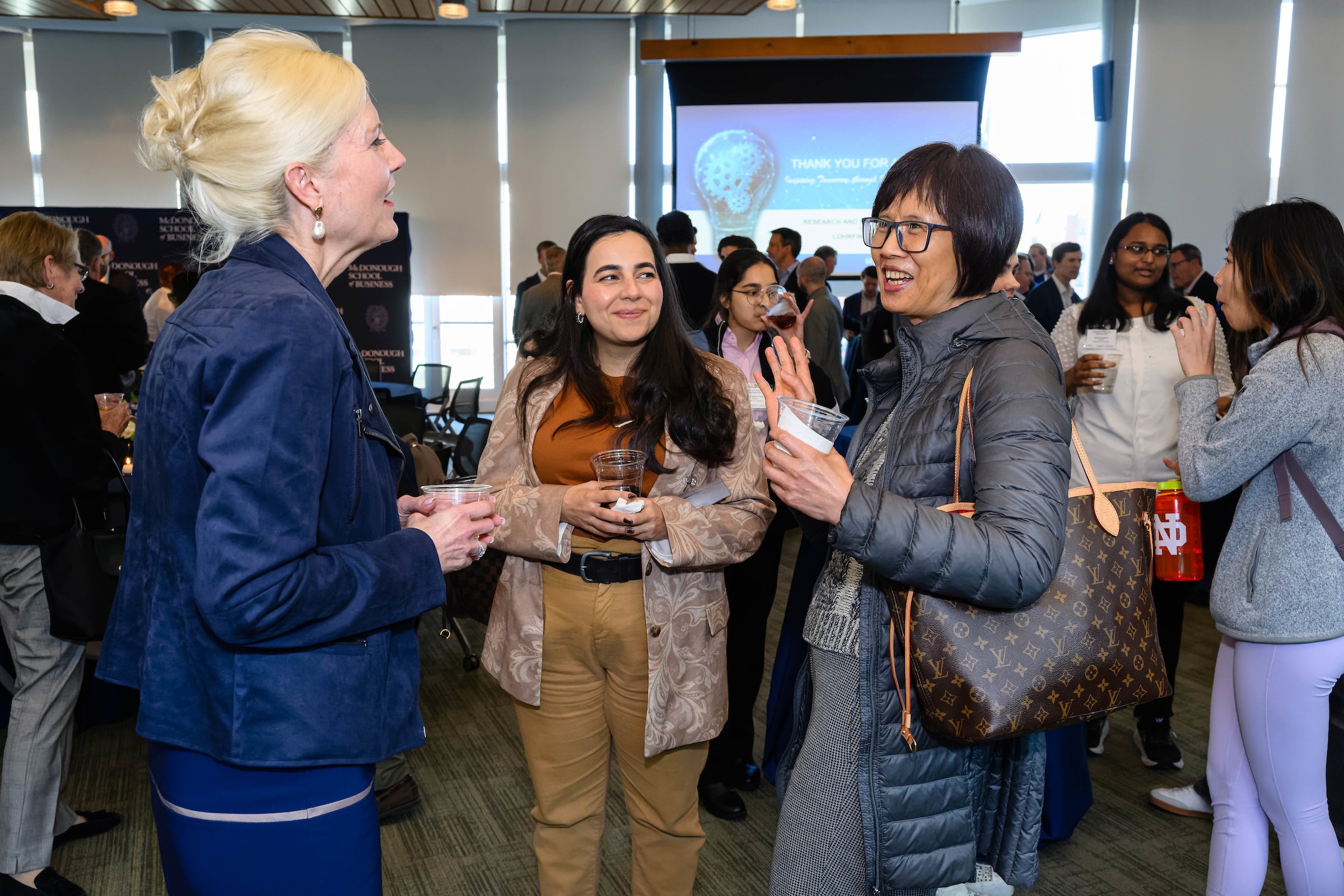
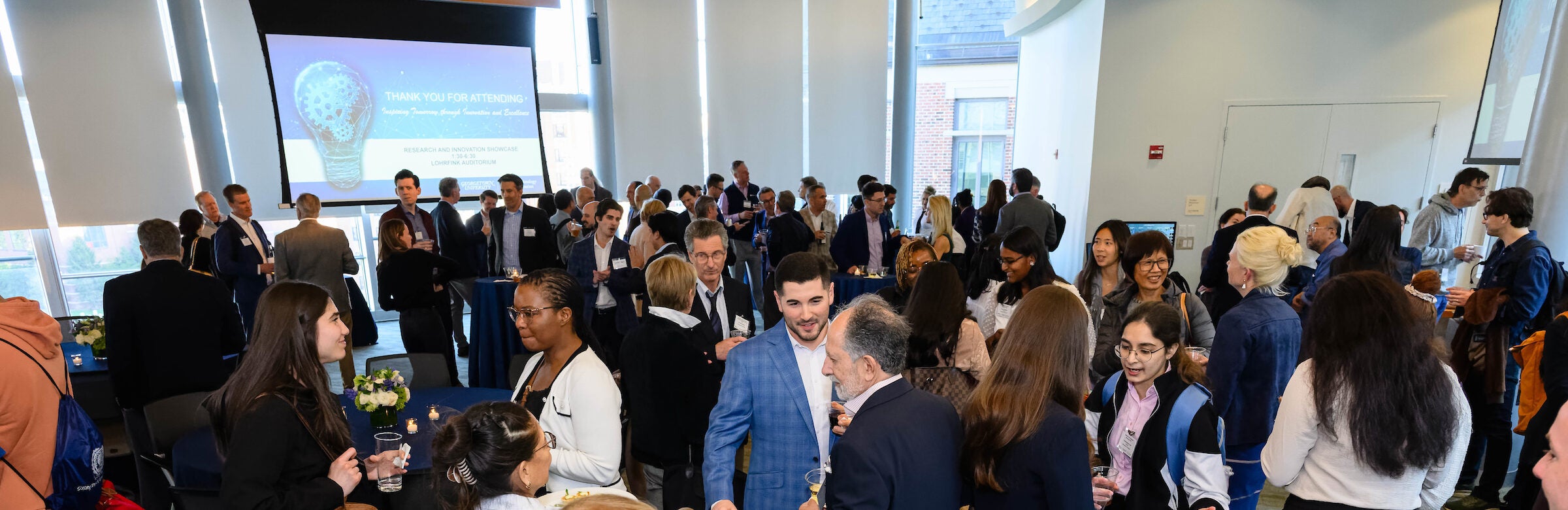
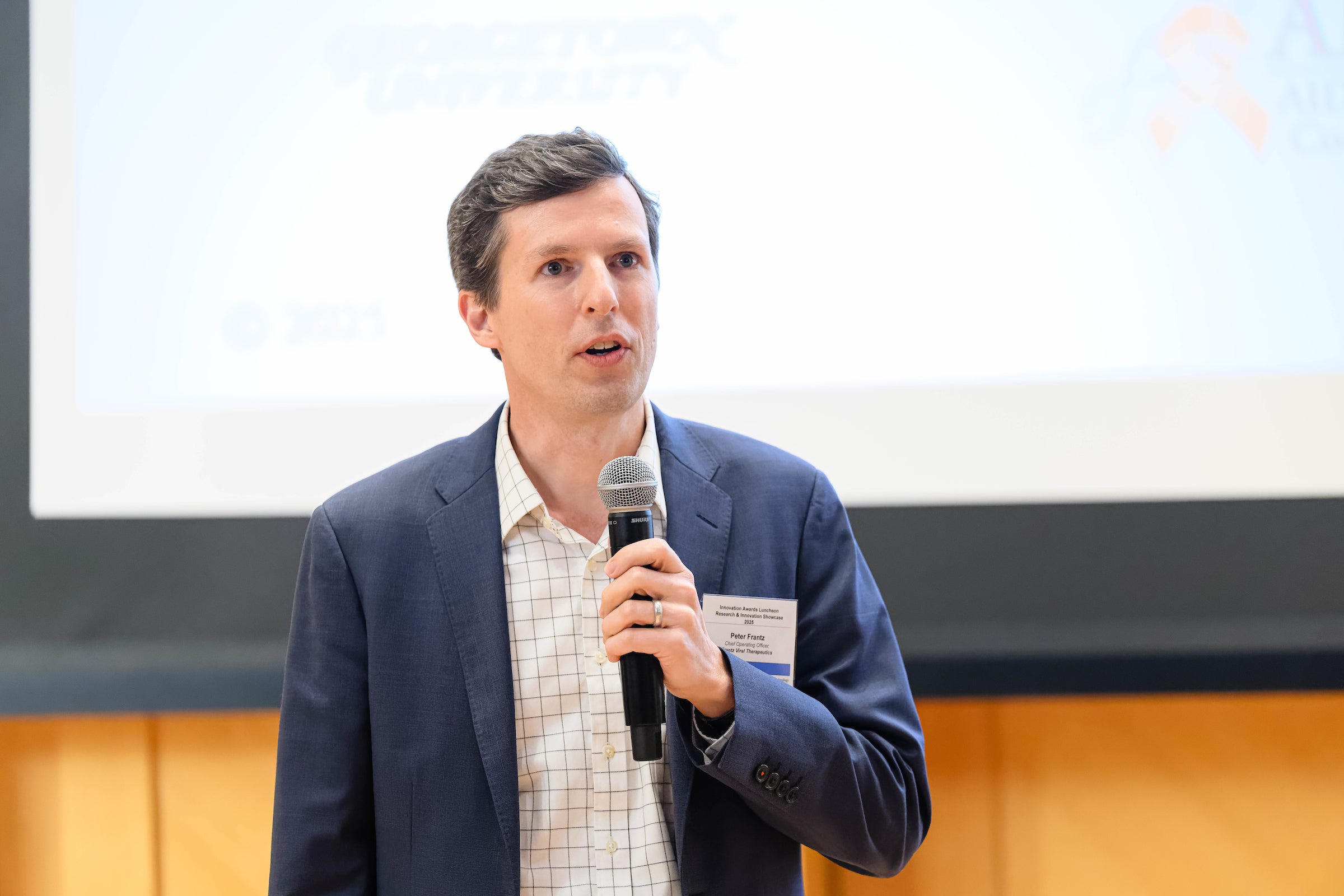
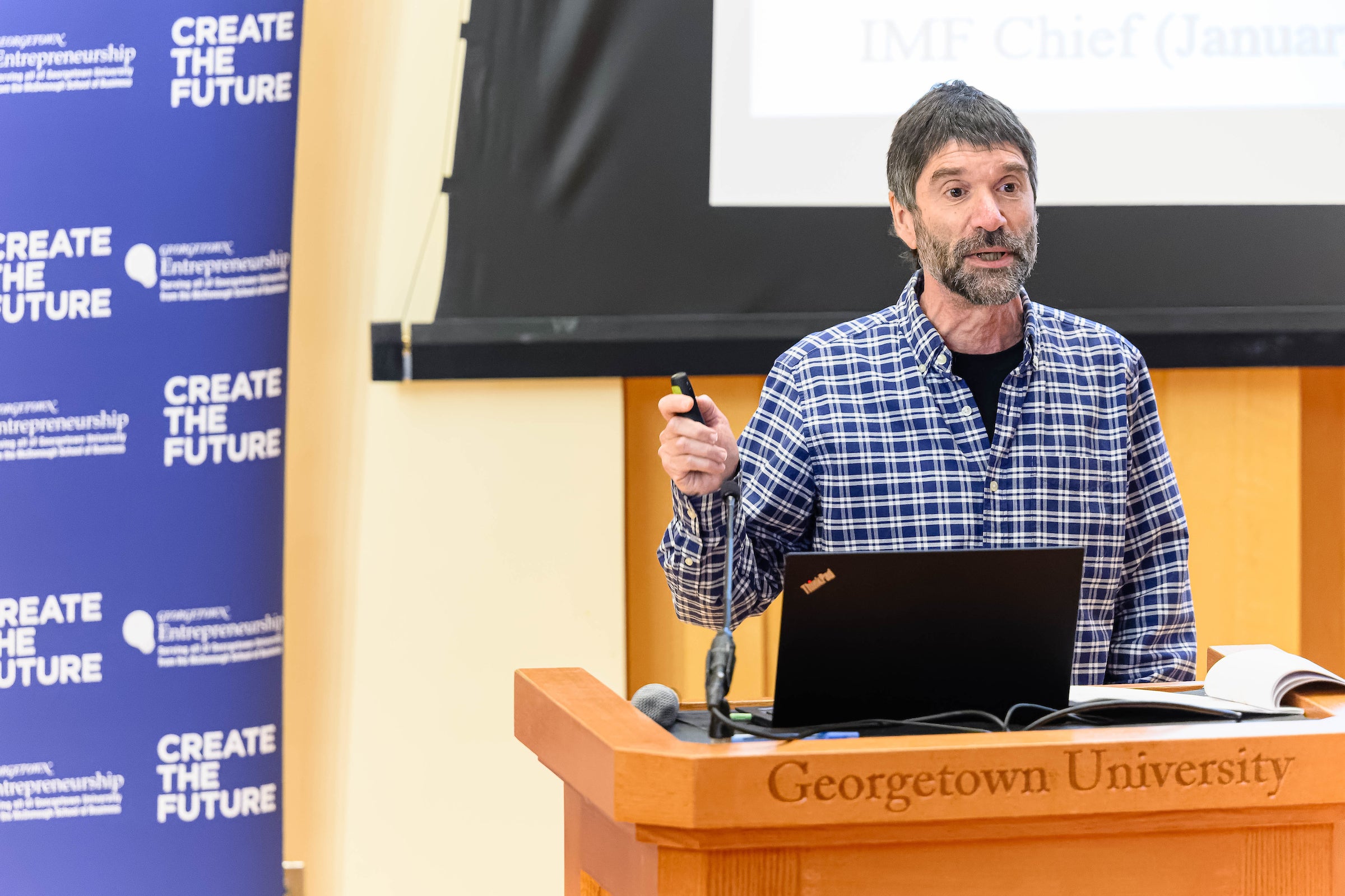
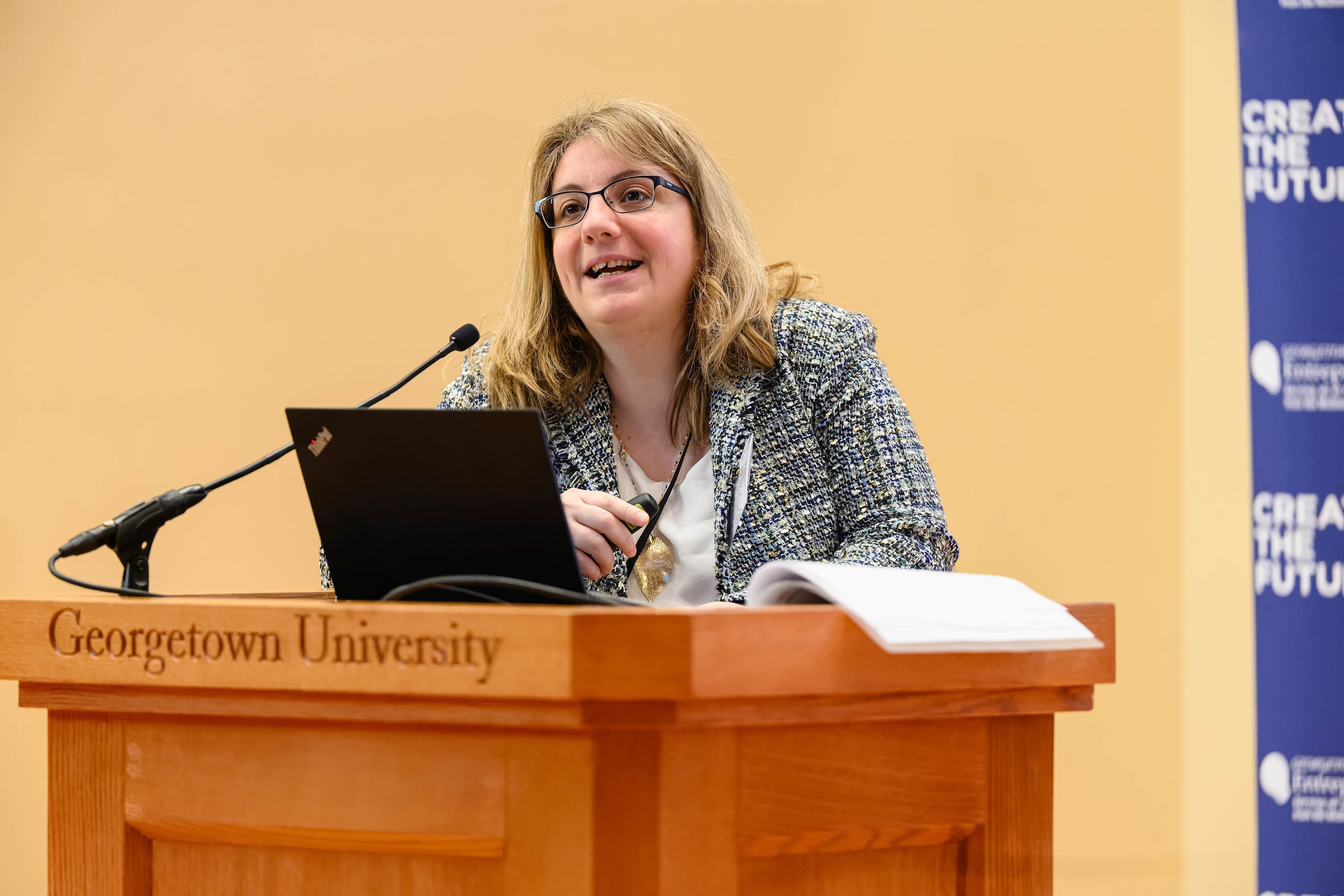
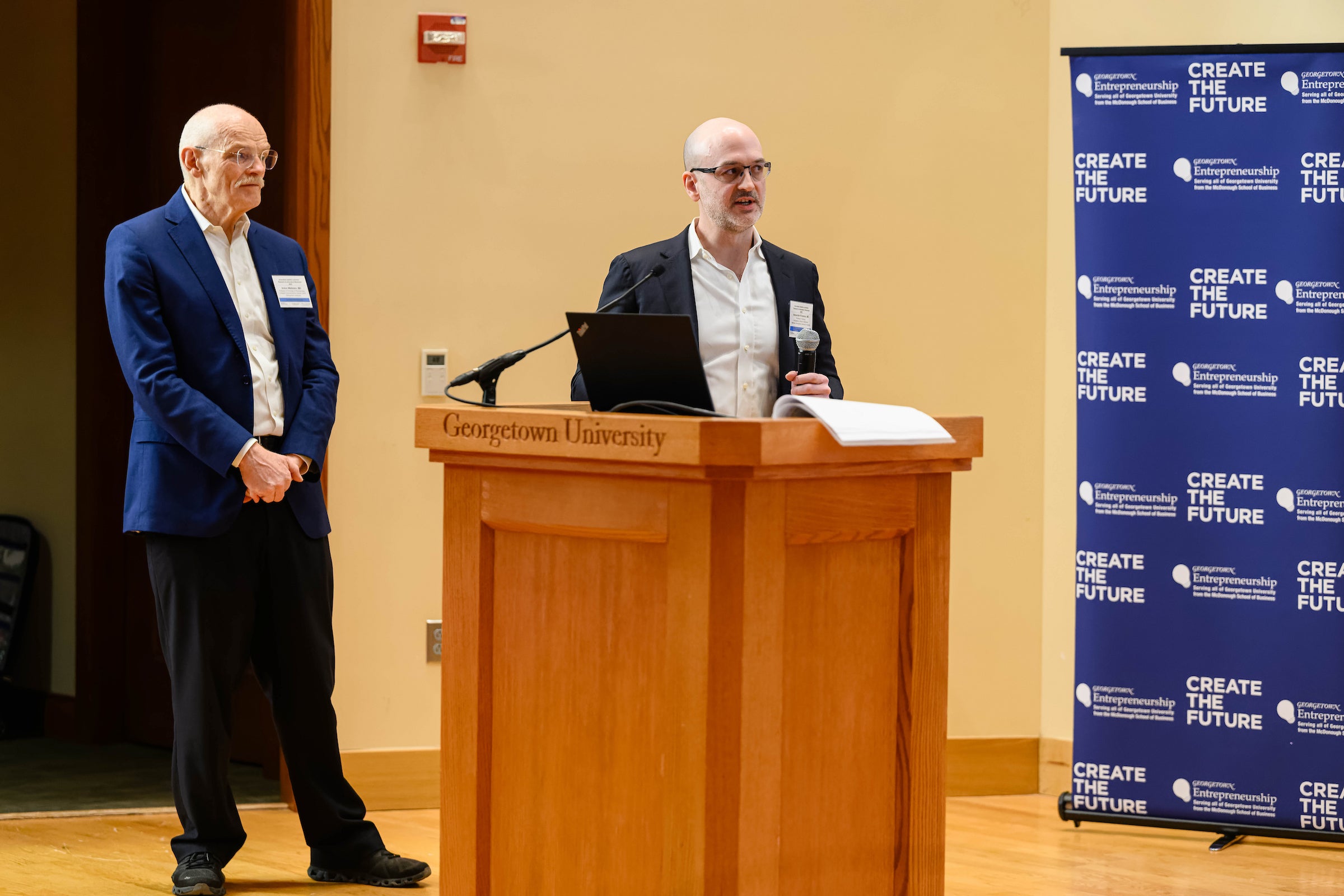
We have various opportunities, beyond attending as an audience member, to take part in the Research & Innovation Showcase. Please use the below links to apply for these opportunities. The 2025 event drew 431 attendees and showcased 19 researchers and startups, sparking collaborations that lead to results.
Researchers: Apply to present your innovation. The showcase is the fastest way to get your cutting-edge research in front of industry decision-makers, secure vital feedback, and connect with potential partners and funding.
Startups: Apply to join the startup showcase if you have a Georgetown-affiliated company connected through a license, alumni, or students.
Industry: Ask for submissions to a reverse pitch from researchers. You’ll gain exclusive access to a pipeline of market-ready intellectual property and talent.
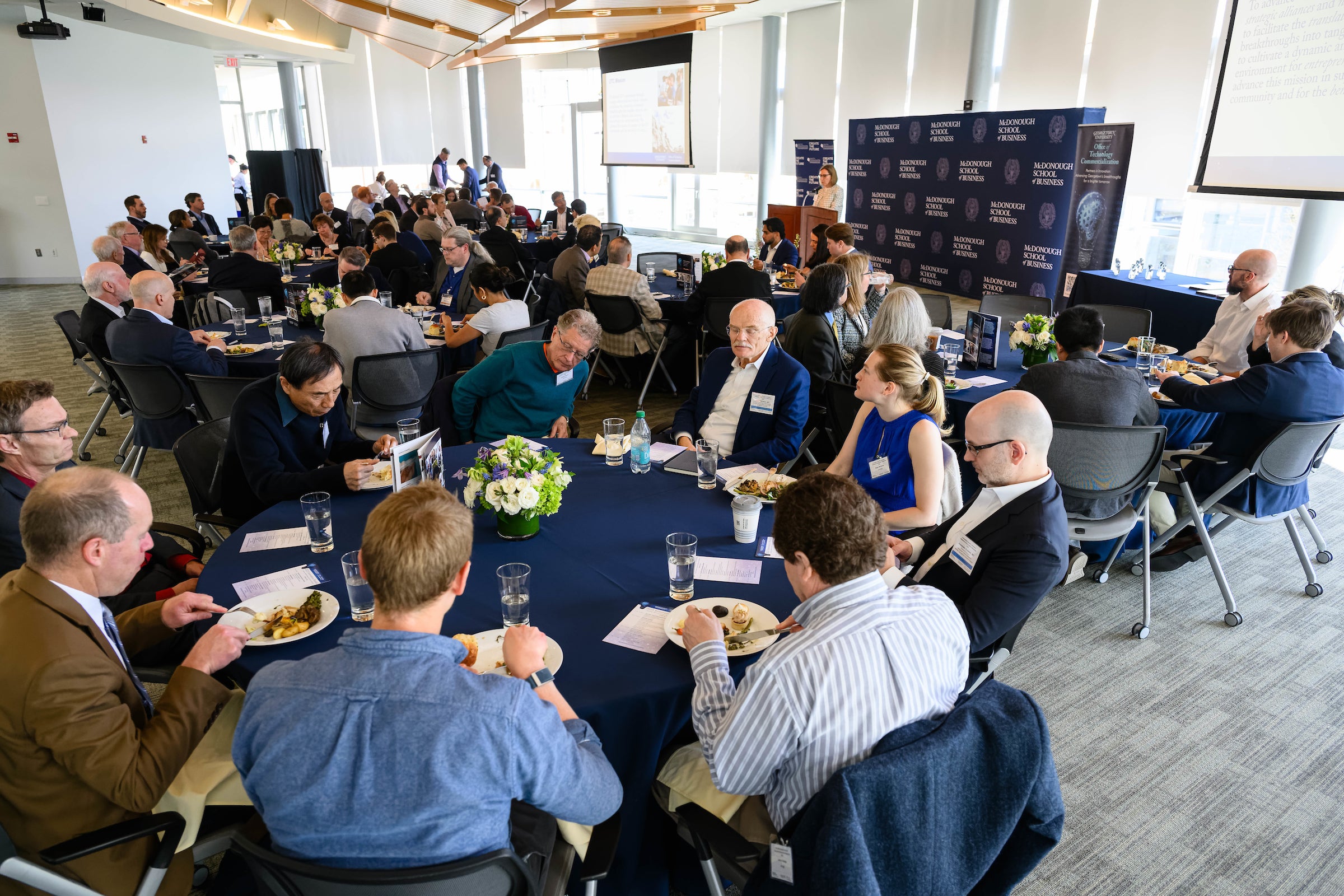
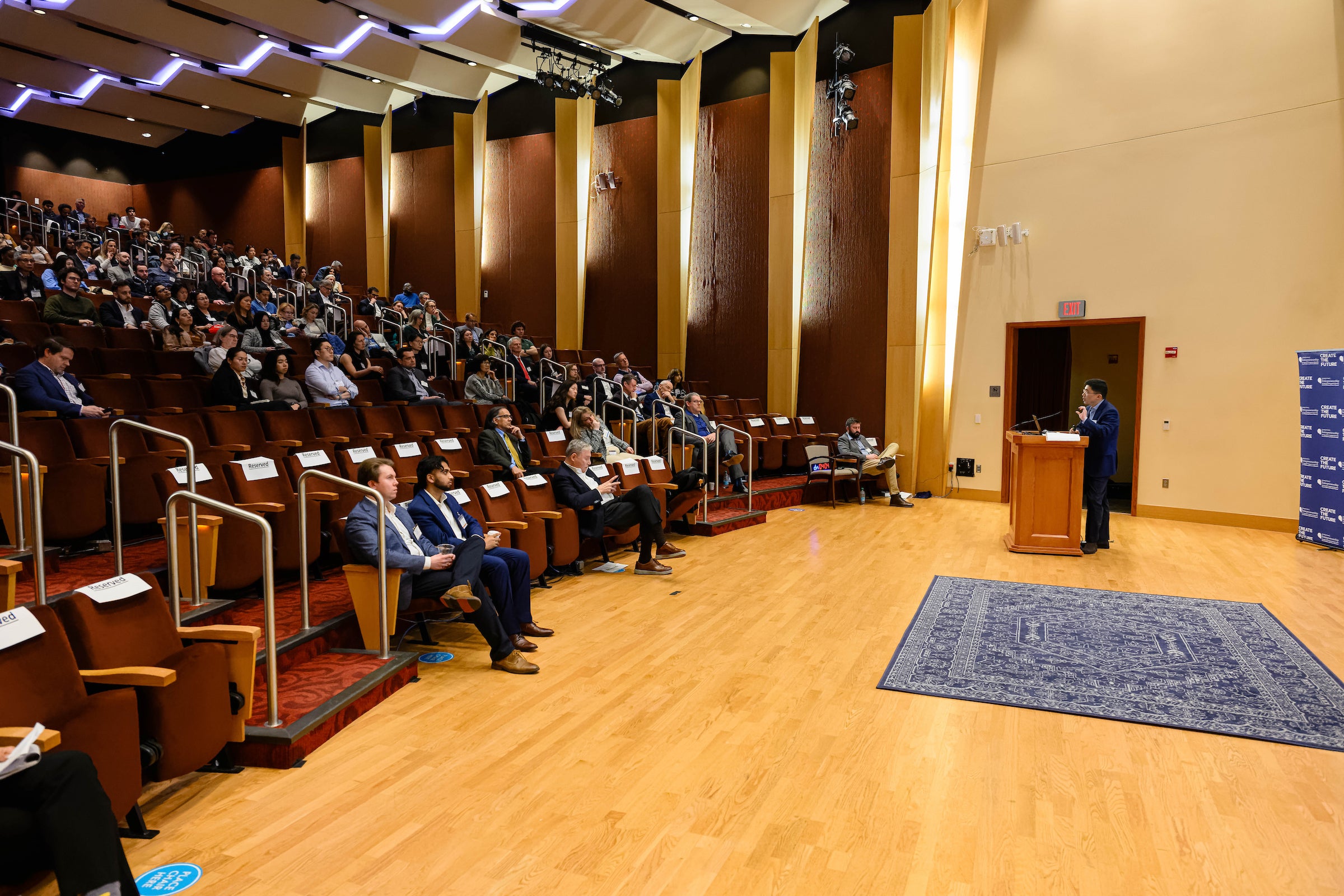
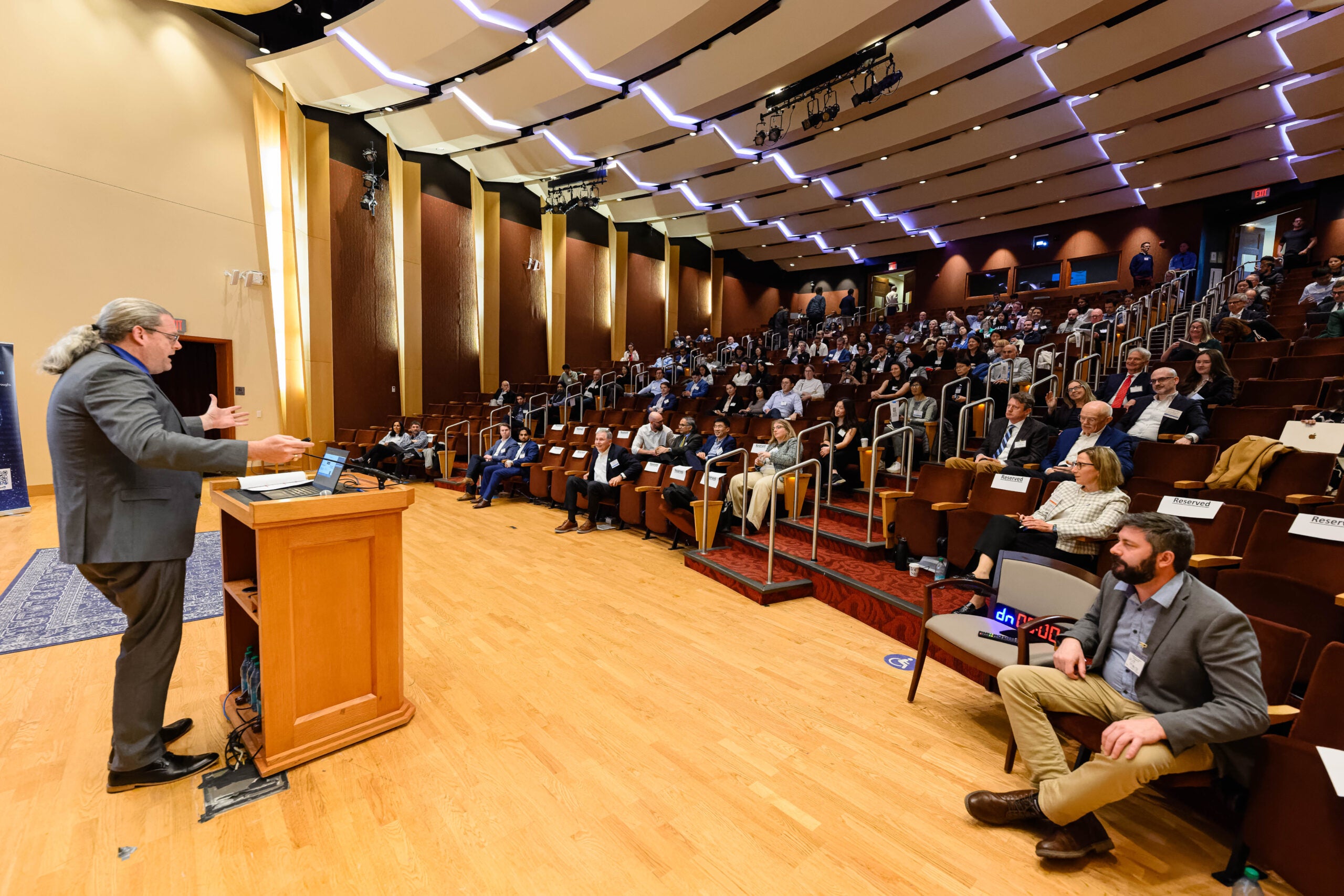
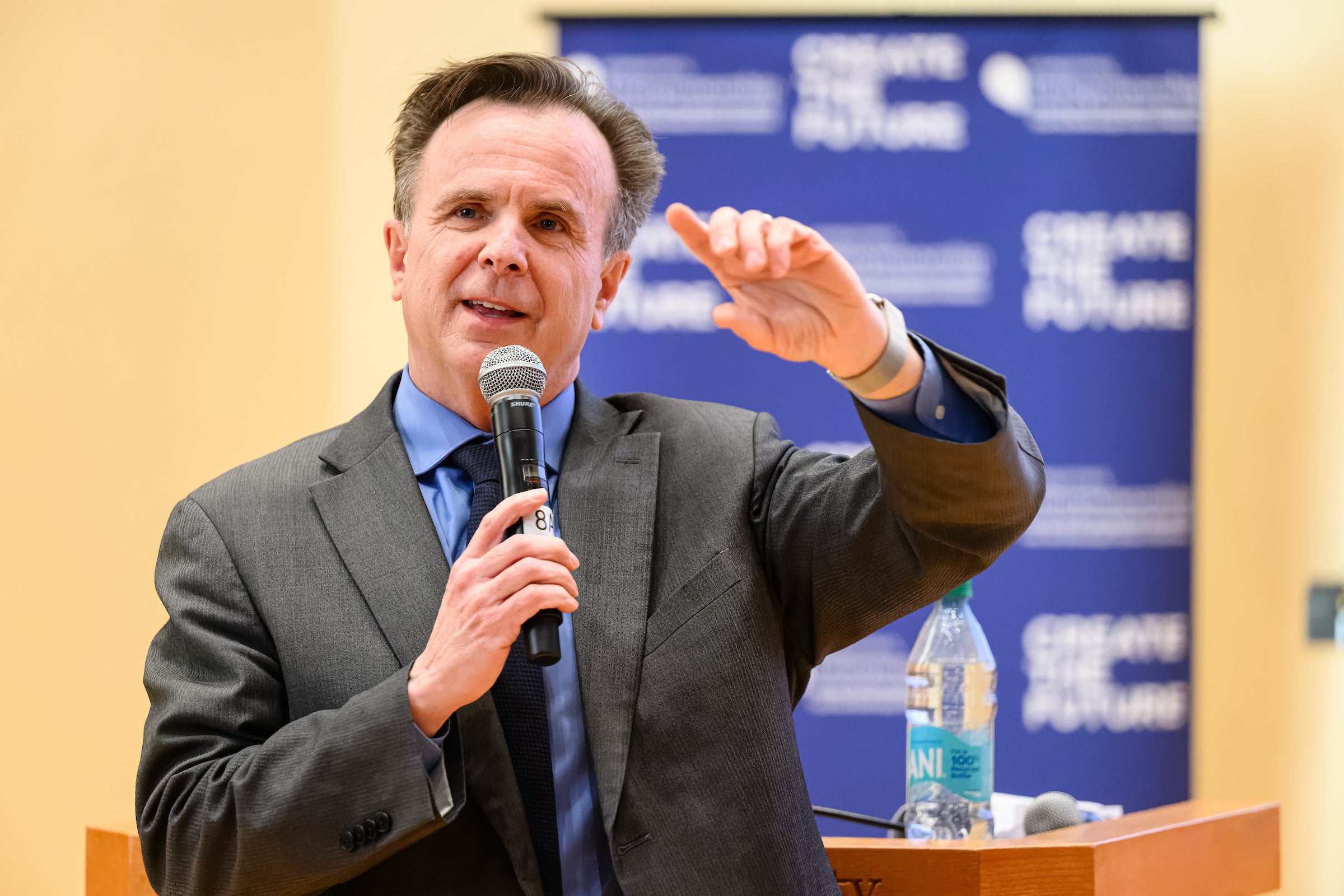
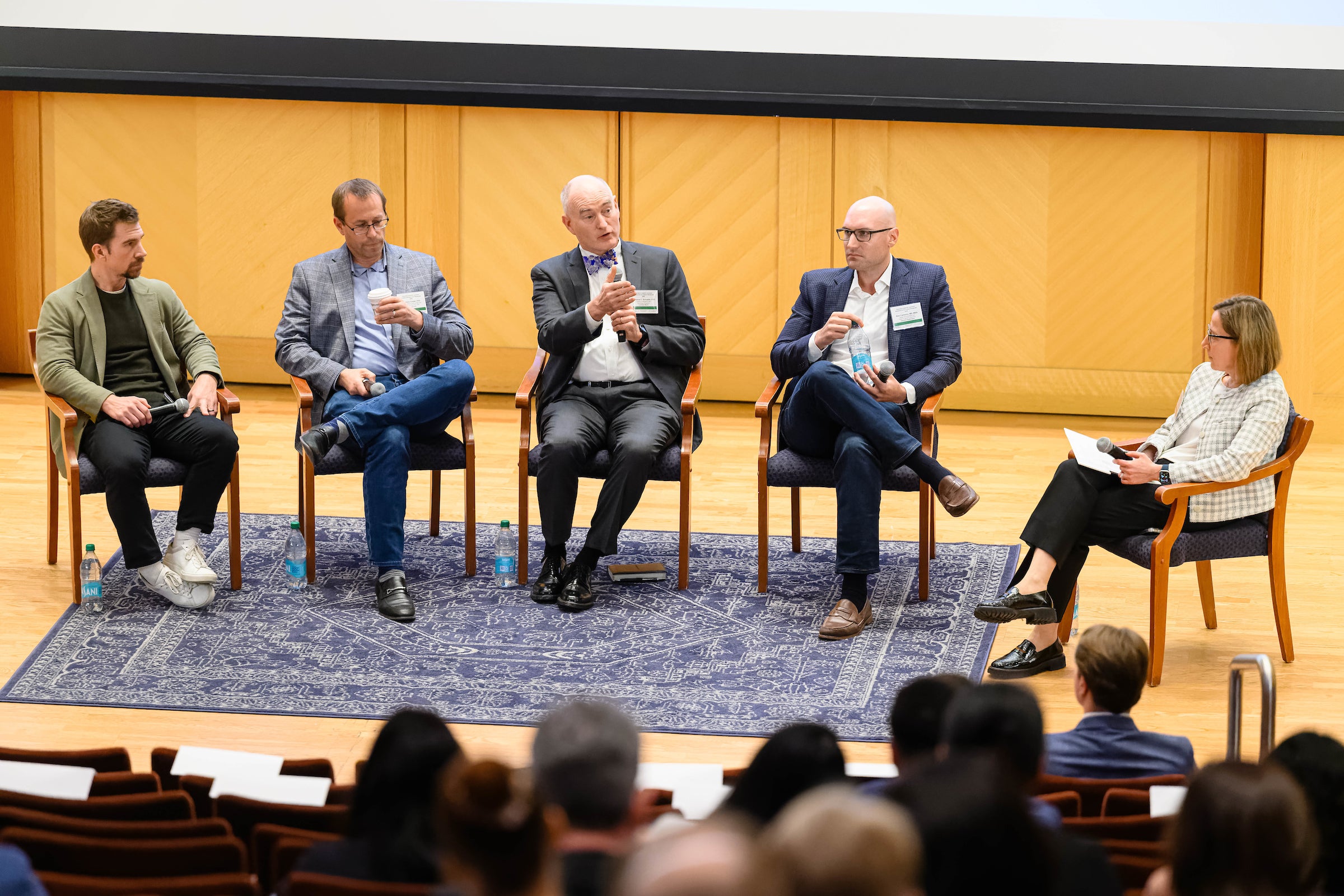
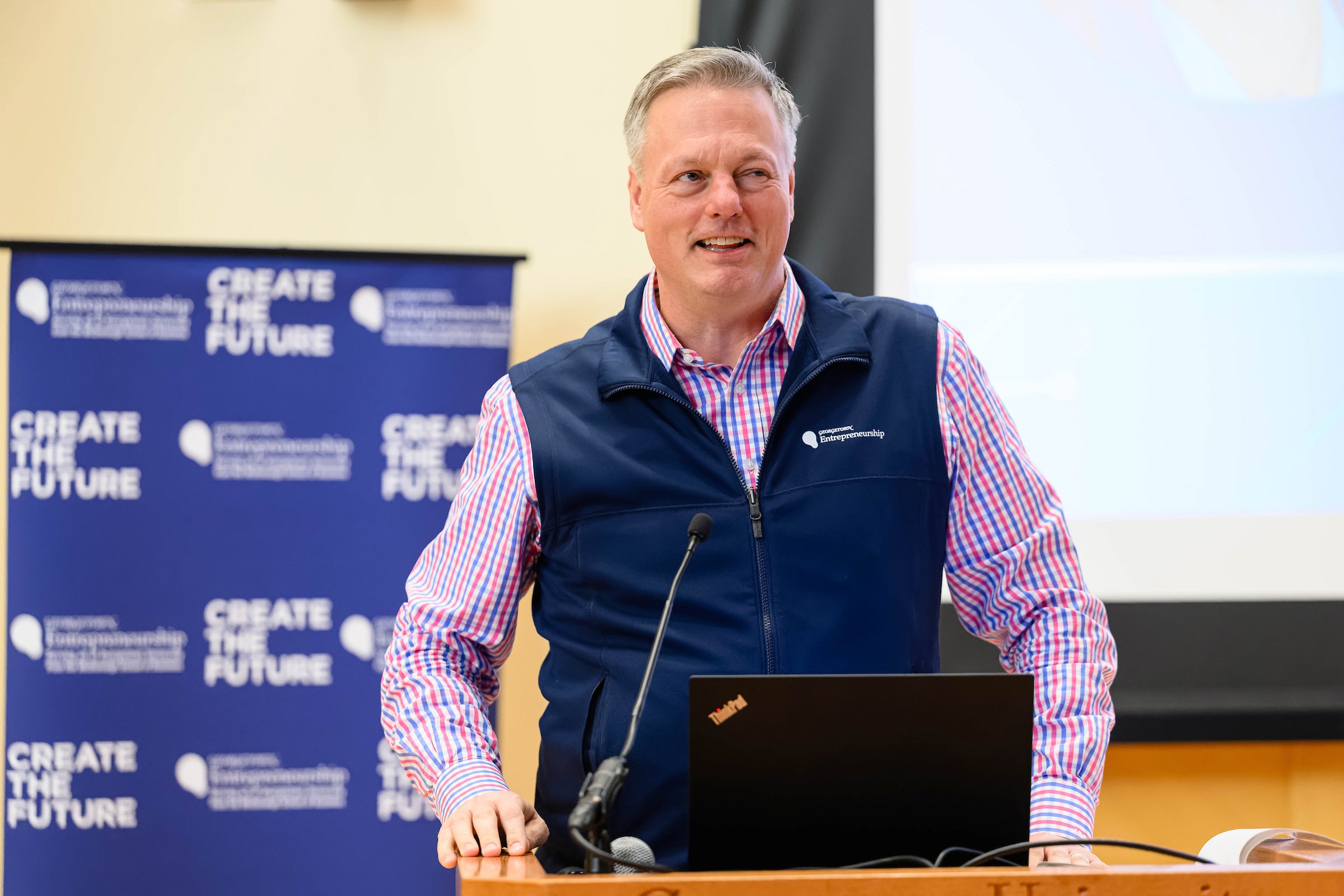
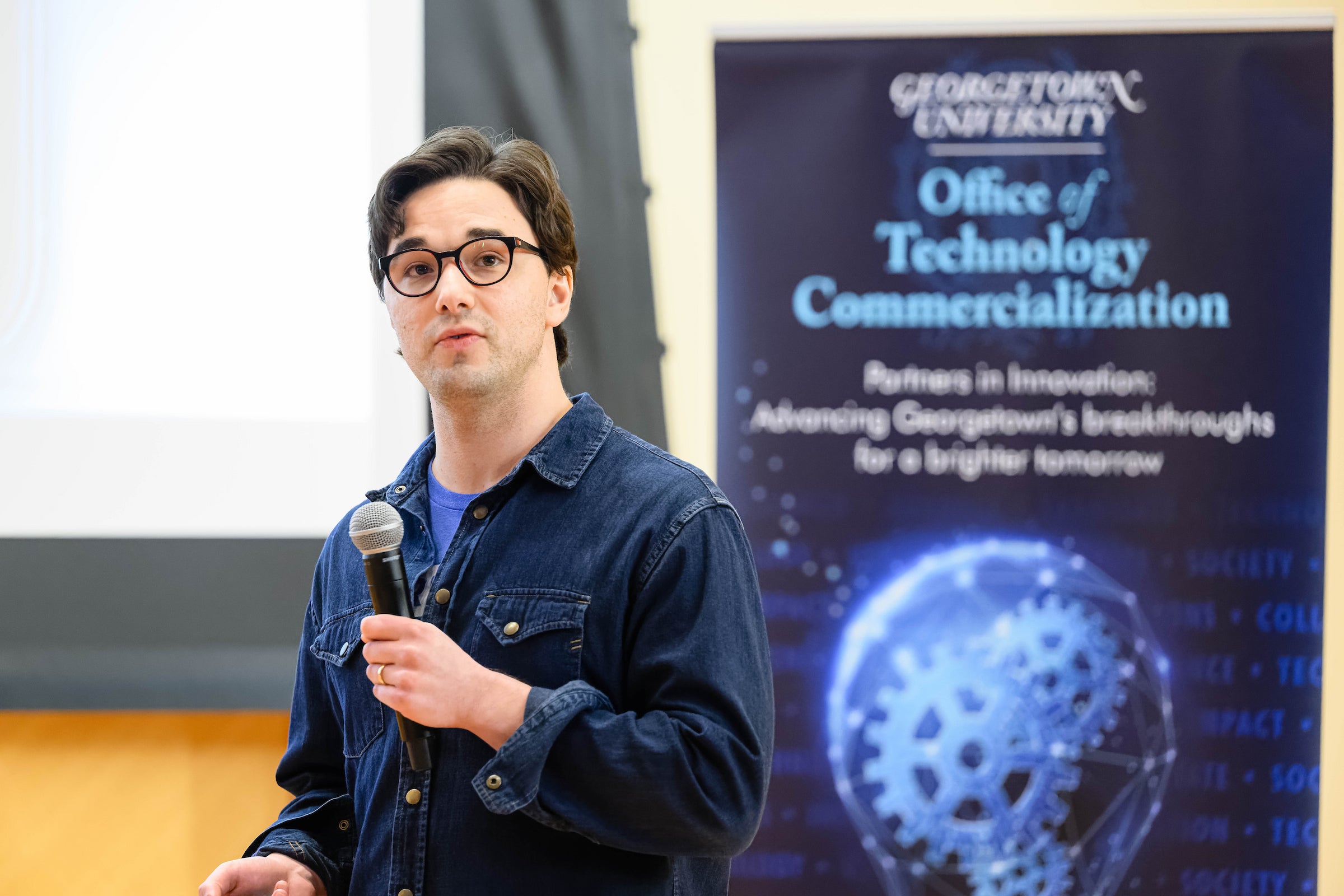
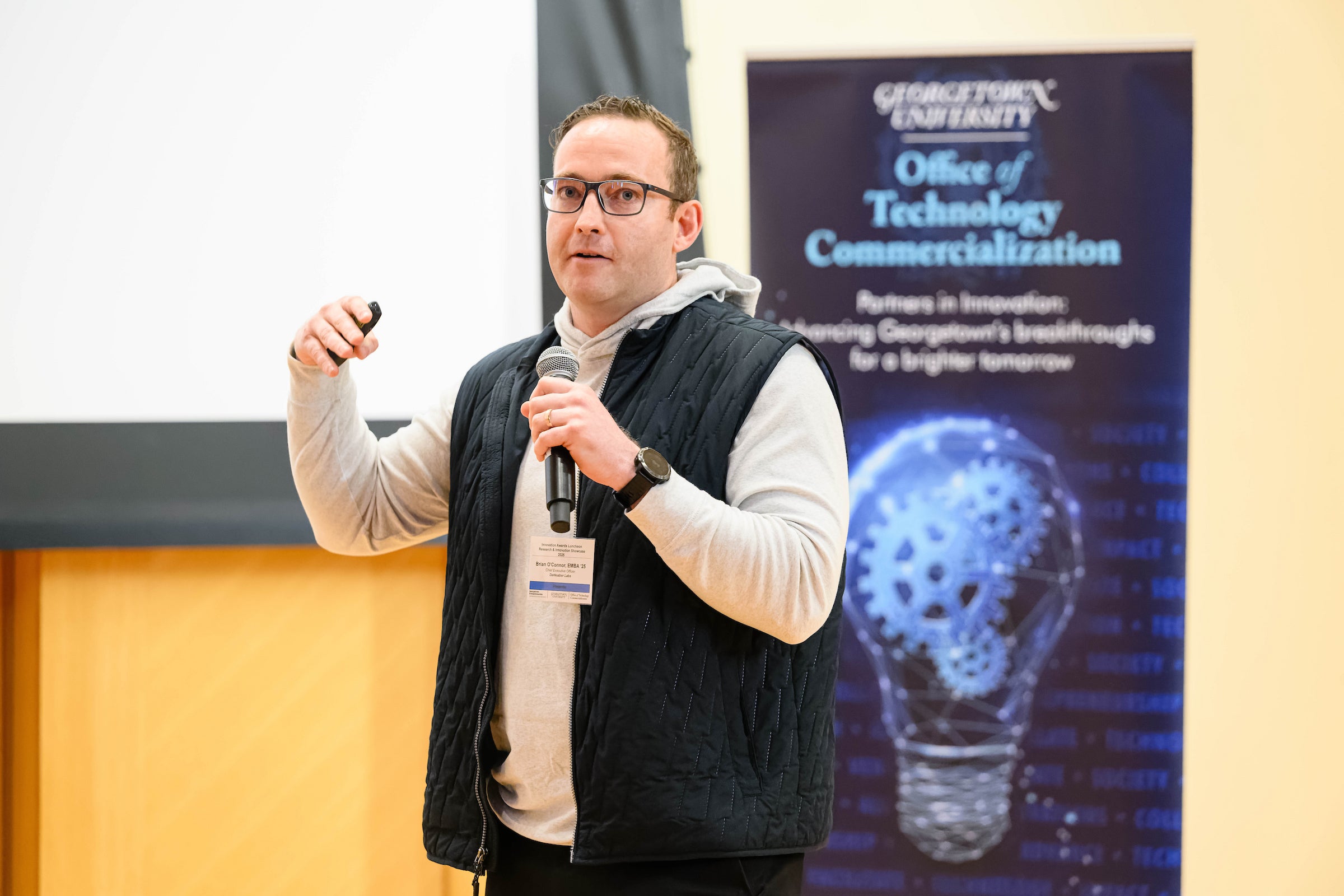
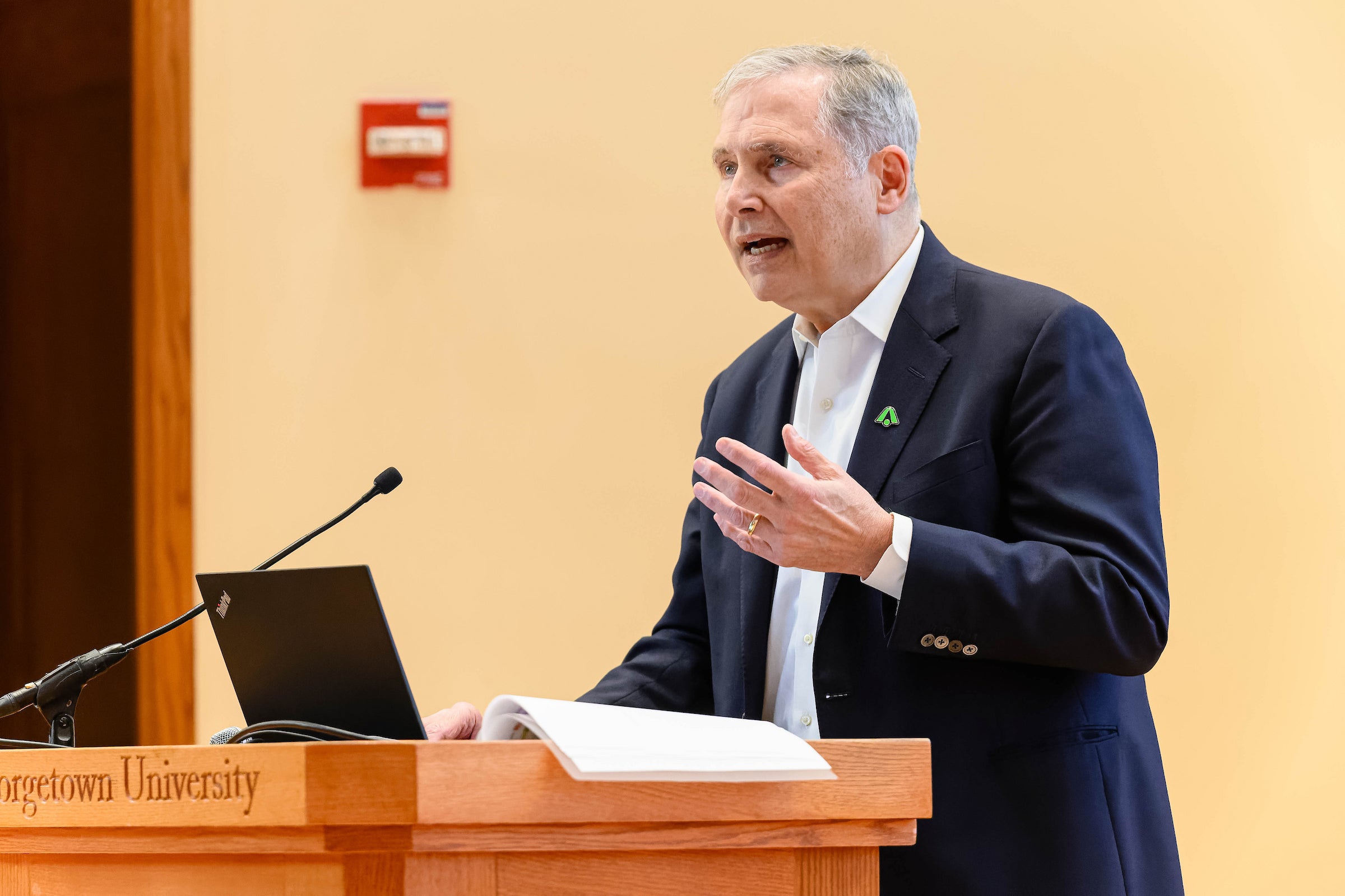
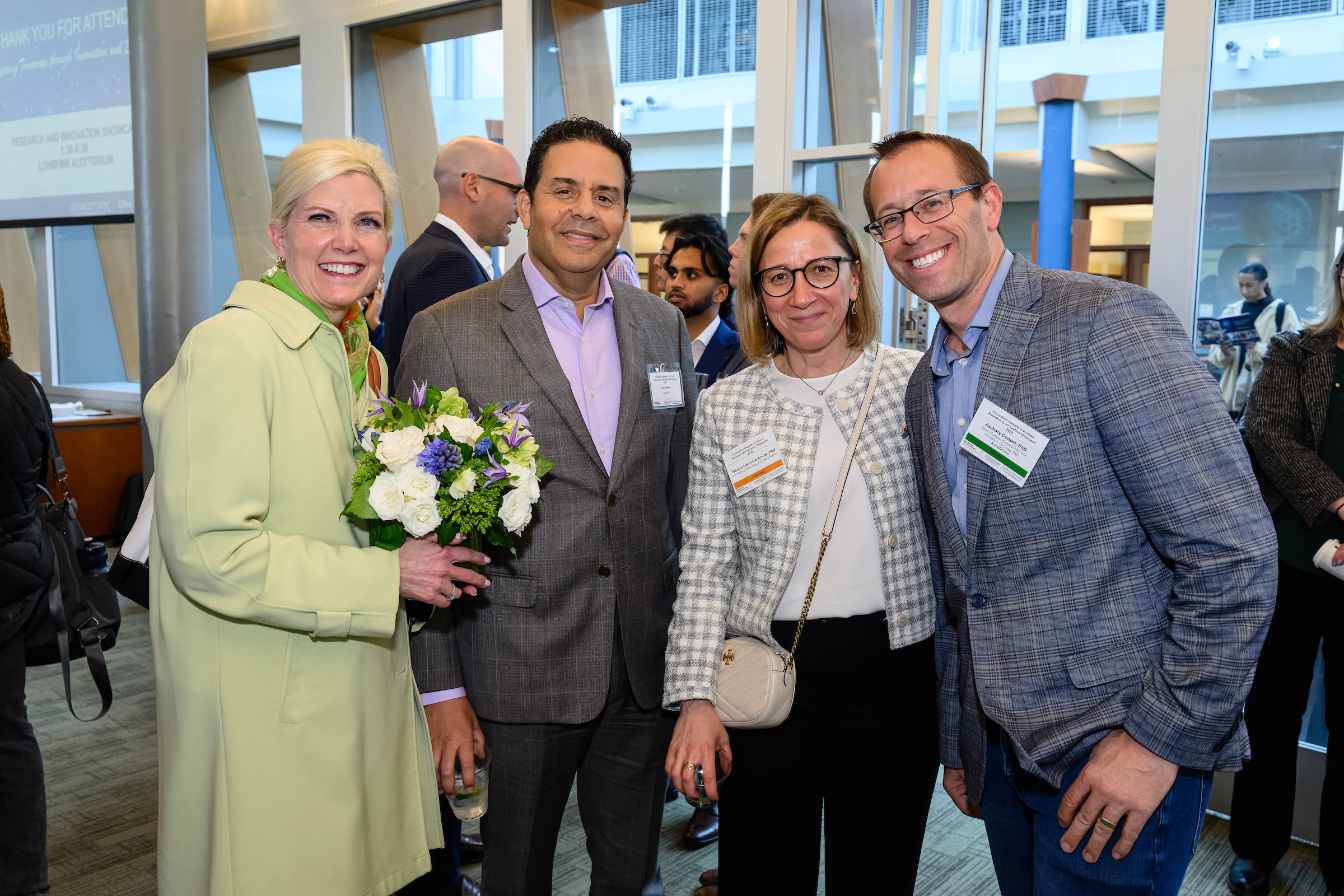
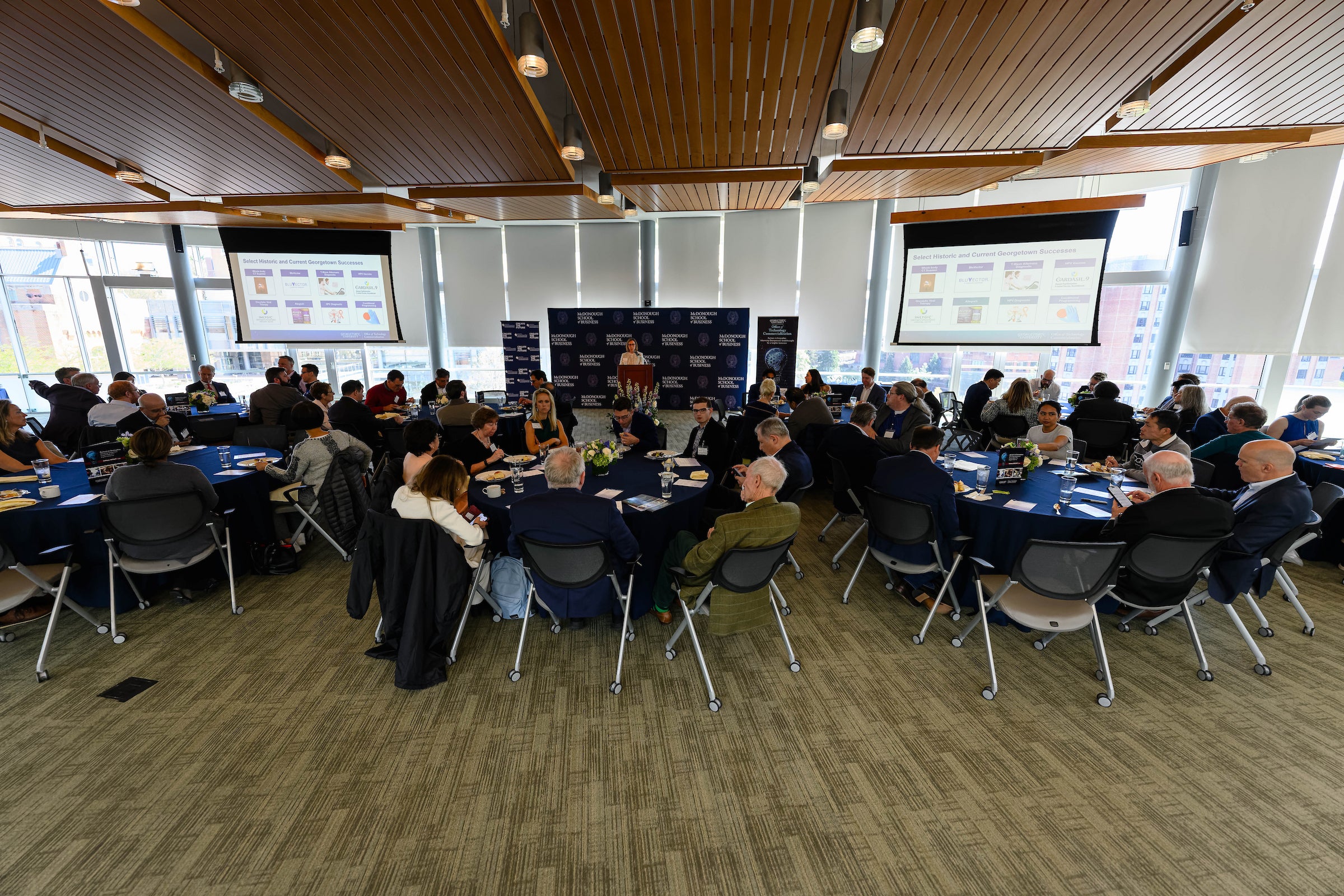
The inaugural showcase in 2025 featured research presentations, an industry panel discussion, and a venture fair showcasing new and exciting entrepreneurial companies and teams from the Georgetown community.