Maria Laura Avantaggiati, MD
Targeting mitochondrial metabolism for first-in-class therapeutics in cancer, obesity, and aging
The main objective of the Avantaggiati’s lab is to identify and develop novel therapeutic strategies targeting metabolic vulnerabilities in cancer, obesity and aging. The team focuses on the mitochondrial protein SLC25A1/CIC, which they identified as a fundamental protein linking mitochondrial function to tumor progression and therapeutic resistance in different types of cancer, including lung, breast and ovarian cancer. They have developed the first-in-class small-molecule inhibitor of CIC, CTPI-2, that effectively targets therapy-resistant tumor cells and shows strong potential for combination therapies. In parallel, they investigate the application of CTPI-2 in obesity, metabolic dysfunction and aging, expanding the translational and commercial potential of this platform. CTPI-2 uniquely targets mitochondrial metabolism through a mechanism distinct from- and non-overlapping with current obesity treatments such as Ozempic, underscoring its potential as a novel therapeutic approach. Their work integrates mechanistic studies with drug development- and collaborative efforts with Industry to advance these discoveries toward clinical applications.
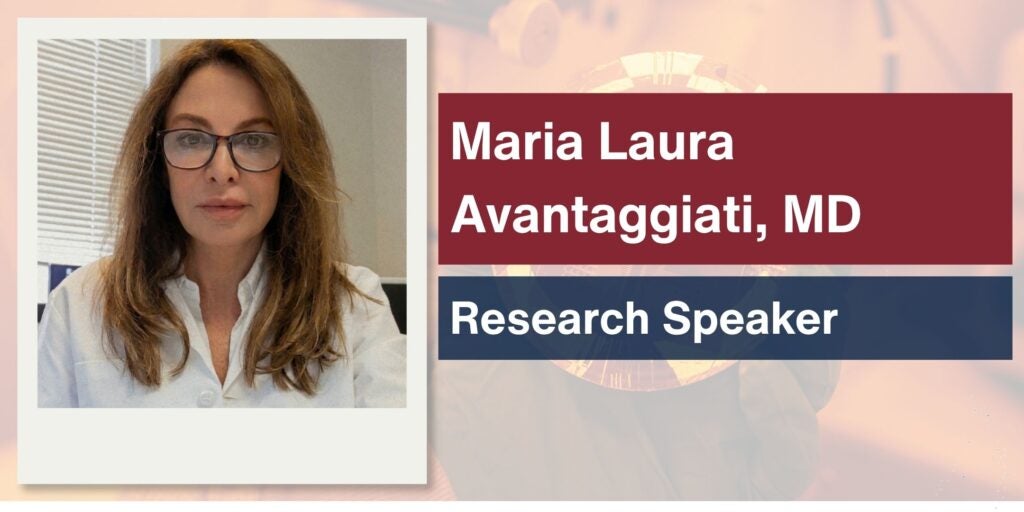
Maria Laura Avantaggiati, MD, PhD, an associate professor of oncology, drives “bench-to-bedside” cancer research. A NIH-trained expert in p53, her focus is on designing drugs that target mitochondrial metabolism for application in several human diseases, including obesity, cancer and rare pediatric diseases. Speaker profile
Nagi G. Ayad, PhD
Innovations in brain cancer research
The main research objective of the Ayad laboratory is to identify therapeutic combinations for glioblastoma and medulloblastoma. The team is utilizing a multi-omics approach to target epigenetic and kinase pathways simultaneously. They are working closely with chemists to generate novel brain epigenetic enzyme and kinase inhibitors. They also collaborate with a large group of basic scientists and clinicians to move our small molecules into clinical trials for incurable forms of brain cancer.
Lab Website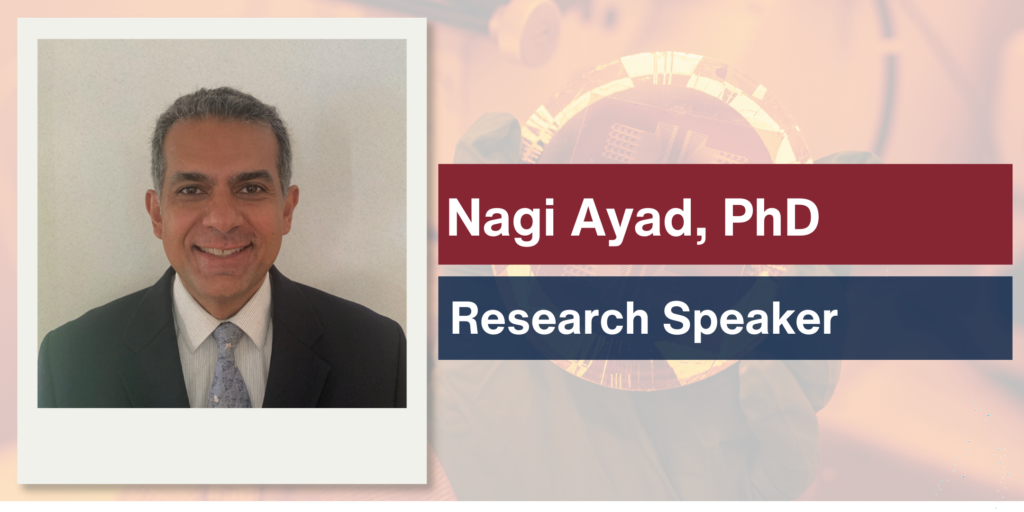
Nagi Ayad’s work translates his expertise in tumor immunology and epigenetics into a focused effort to discover and evaluate novel selective small-molecule inhibitors for the clinical area. Working across a broad range of models, including solid tumors, hematological malignancies, and essential translational components like patient-derived xenografts, his research is dedicated to identifying and characterizing the immunomodulatory roles of HDACs and other epigenetic modifiers in immune and cancer cells. This work, built upon strong preliminary data suggesting a pivotal role for macrophages in the tumor microenvironment, aims to precisely modulate epigenetic activity with the ultimate goal of enhancing antitumor immune responses and aligning scientific endeavors with the most relevant biomedical objectives. His ongoing research is supported by robust funding from government agencies (NIH, NSF), foundations (MRF, CRI), and industry partnerships. Speaker profile
Matthew Biel, MD
Building classrooms where educators joyfully nurture, and children joyfully grow: a Thrive Center ed-tech initiative
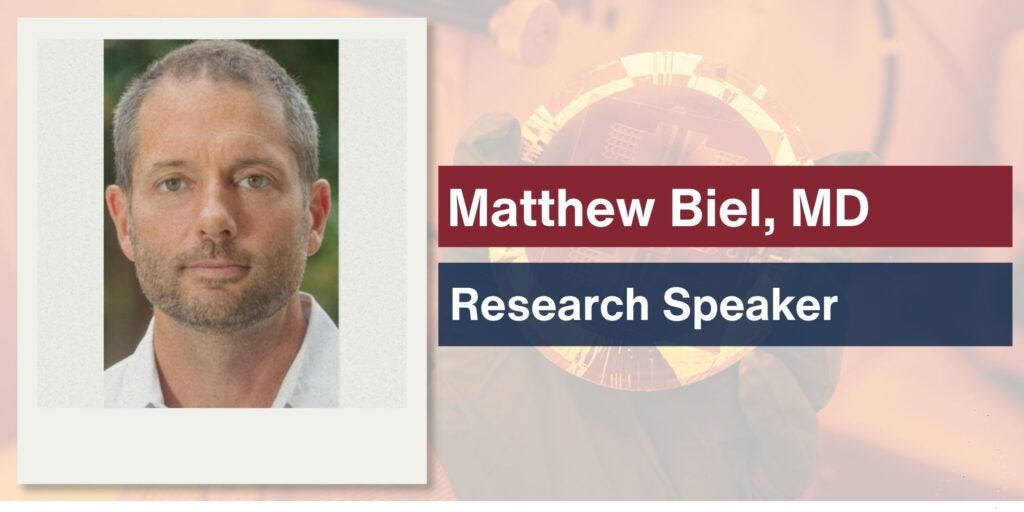
Matthew Biel, MD, MSc serves as director of the Thrive Center for Children, Families, and Communities at Georgetown University Medical Center, where he also holds the Marriott Chair in Child, Adolescent, and Family Mental Health and is professor of psychiatry and pediatrics. Biel also serves as the division chief of child and adolescent psychiatry at MedStar Georgetown University Hospital. He leads a diverse array of projects and research seeking to support the resilience and wellbeing of children, adolescents, and families, and to improve access to high-quality mental health care through programs based in community settings including schools and primary care. He co-founded Early Childhood Innovation Network, a citywide effort to improve developmental outcomes for children and families in Washington, DC. Biel was selected as an Aspen Ascend Fellow in 2018. He also provides clinical care to children, adolescents, and families focused on anxiety and stress disorders, trauma-related conditions, autism spectrum disorders, and complex medical illnesses. He has published numerous articles and book chapters and is involved nationally in psychiatric education and advocacy for children’s mental health. Biel received his medical degree and a master’s degree in Community Medicine at Mount Sinai School of Medicine. He trained in general psychiatry and child and adolescent psychiatry at New York University School of Medicine. Speaker profile
Jeffrey K. Huang, PhD
Promoting brain repair through immune reprogramming
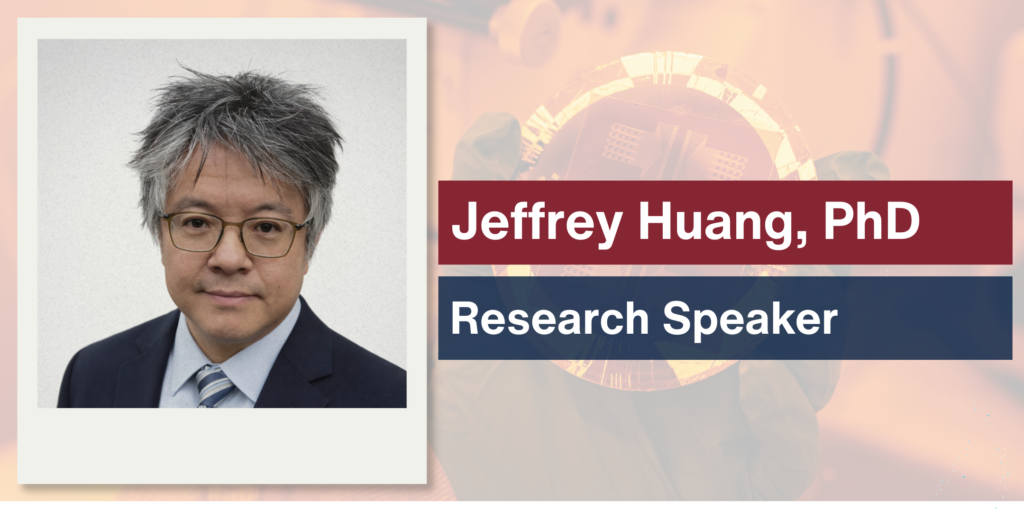
Jeffrey K. Huang, PhD is an associate professor in the departments of biology and neurology at Georgetown. He leads an interdisciplinary research program focused on the mechanisms of neuroinflammation and brain repair. His work integrates neurobiology, immunology, and translational science to understand how immune cells—particularly microglia and T cells—regulate myelin regeneration in multiple sclerosis (MS) and related neuroinflammatory and neurodegenerative disorders. His research has defined mechanisms by which inflammatory microglia impair remyelination and identified amino acid metabolism as a key regulator of microglial activation and repair dynamics. These discoveries have led to first-in-class therapeutic strategies aimed at promoting brain repair by metabolically reprogramming microglia toward pro-regenerative states. This work has resulted in issued patents in the United States and Europe and international licensing agreements. Speaker profile
Priyanka Joshi, PhD
Reading protein shape to decode disease and engineer function
Lab website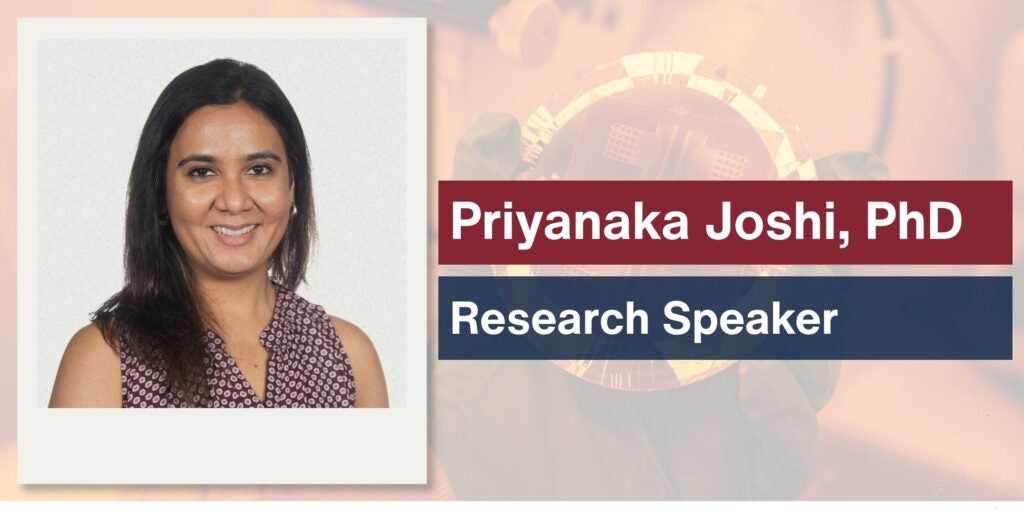
Priyanka Joshi, PhD is a tenure-track assistant professor in molecular biophysics and neuroscience and leads the Laboratory of Biomolecular Homeostasis & Resilience at the department of biochemistry and molecular & cellular biology. Her lab decodes the conformational grammar of proteins – the shapes they adopt, how they adopt them, and what those shapes make possible under complex environments. Using this information, the lab develops scalable AI-driven pipelines to advance therapeutics for neurodegeneration and to design protein-based biomaterials. Speaker profile
Makarand Paranjape, PhD
A non-invasive, dual-function dermal patch to diagnose cystic fibrosis
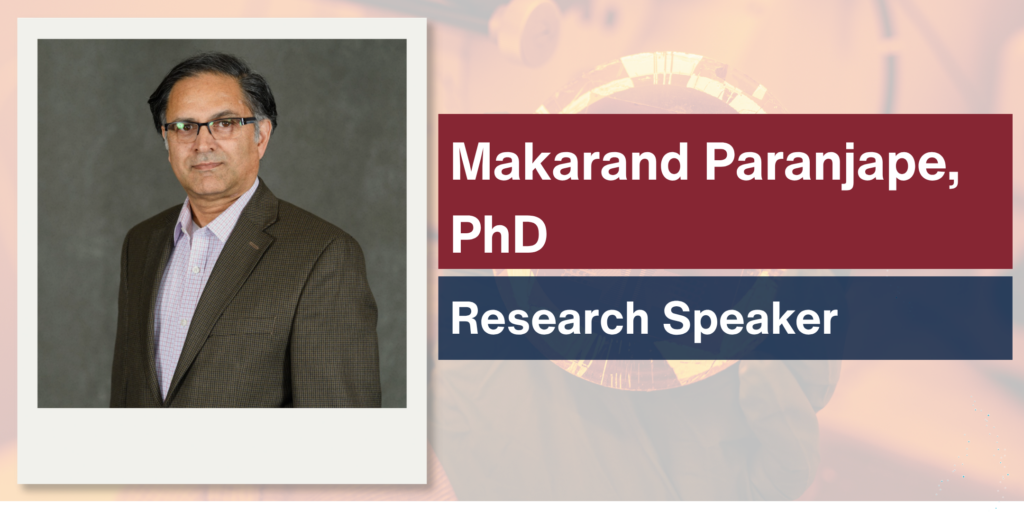
Makarand Paranjape is an associate professor in physics at Georgetown and director of the Georgetown Nanoscience and Microtechnology Laboratory (GNμLab) cleanroom facility. A fellow of the National Academy of Inventors, he develops novel biomedical devices, including non-invasive skin patches for both sensing biomarkers and transdermal drug delivery. His translational research bridges cutting-edge micro-/nano-technology with practical healthcare solutions. Speaker profile
Maximilian Riesenhuber, PhD
The Center for Neuroengineering: A global alliance for advancing mind and brain health
The lab investigates the neurocomputational mechanisms underlying human object recognition and learning as a gateway to understanding the neural bases of intelligent behavior. The ability to recognize objects is a fundamental cognitive skill in every sensory modality, e.g., for friend/foe discrimination, social communication, reading, and speech perception. Amazingly, the typical human brain can efficiently learn and perform these computationally complex tasks with about three pounds of hardware running on the power of a lightbulb. The lab’s aim is to understand how the brain accomplishes this feat.
Lab Website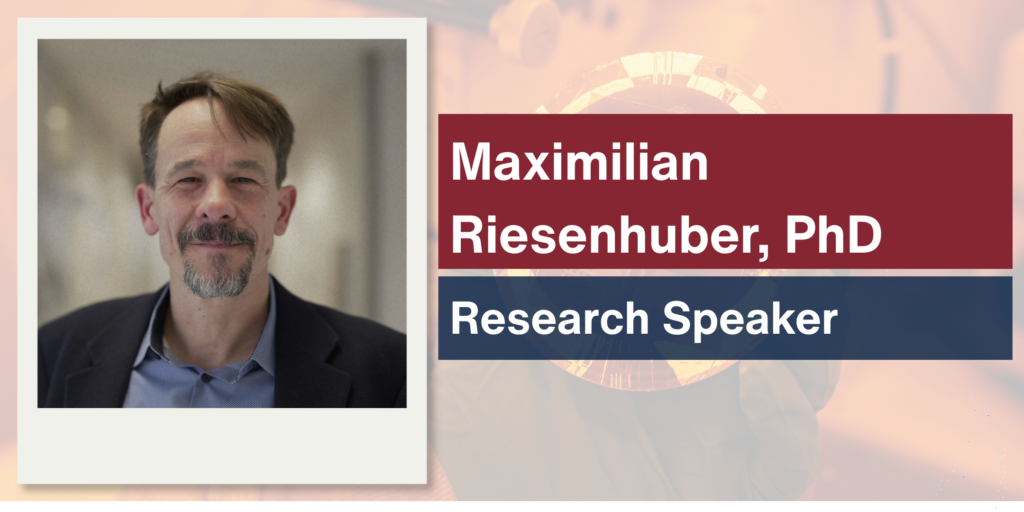
Maximilian Riesenhuber, PhD, is a professor in the department of neuroscience at Georgetown University Medical Center and co-director of Georgetown’s Center for Neuroengineering. His research uses computational modeling, brain imaging and EEG to understand how the brain makes sense of the world, and how these insights can be translated to neuromorphic AI and augmented cognition applications. He obtained his master’s degree in physics from the University of Frankfurt, Germany, and his PhD in computational neuroscience from MIT. He has received several awards, including Technology Review’s “TR100”, one of the “100 innovators 35 or younger whose technologies are poised to make a dramatic impact on our world” and an NSF CAREER award. His research has been funded by NIH, NSF, DARPA, DoD, and industry. Speaker profile
J. C. Smart, PhD
A framework for global knowledge orchestration and analytic interoperability
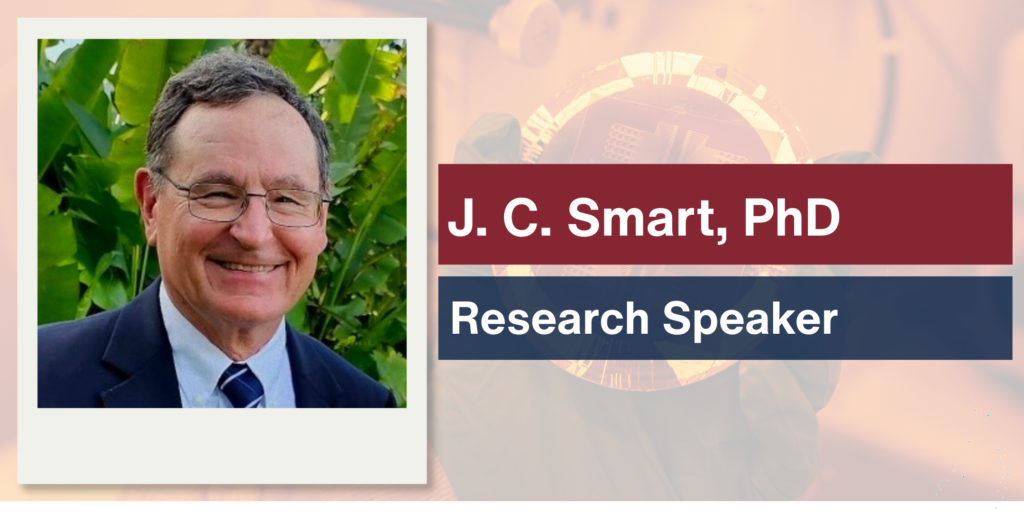
J. C. Smart is a research professor with the department of computer science at Georgetown, where he serves as the chief scientist for the university’s Office of the Senior Vice President for Research. In this role, Smart is responsible for the technical leadership and strategic oversight of Georgetown’s multidisciplinary, integrative science activities to build scalable and interoperable knowledge representations of global systems to address issues of sustainability, world health, and international security. In addition, Smart serves as the Chief Scientist of Georgetown’s unique ATra program for addressing analysis and sharing of extremely sensitive and/or privacy protected information. Starting in 2011, Smart transitioned to Georgetown from Raytheon, where he served as the Chief Technology Officer for the Intelligence and Information Systems (IIS) business. Speaker Profile
Alejandro Villagra, PhD
Macrophage-centric phenotypic screening identifies HDAC6 inhibitors that improve immune checkpoint blockade immunotherapy
Villagra’s work translates expertise in tumor immunology and epigenetics into selective small-molecule inhibitors and druggable targets for the clinical area and pharmaceutical industry focused on improving antitumor immune responses. Leveraging a diverse range of models, including solid tumors, hematological malignancies, and translational patient-derived xenografts, he is characterizing the immunomodulatory roles of HDACs and other epigenetic modifiers to turn that knowledge into new strategies for modulating inflammation, wound healing, and metabolic activity in immune cells.
Profile Link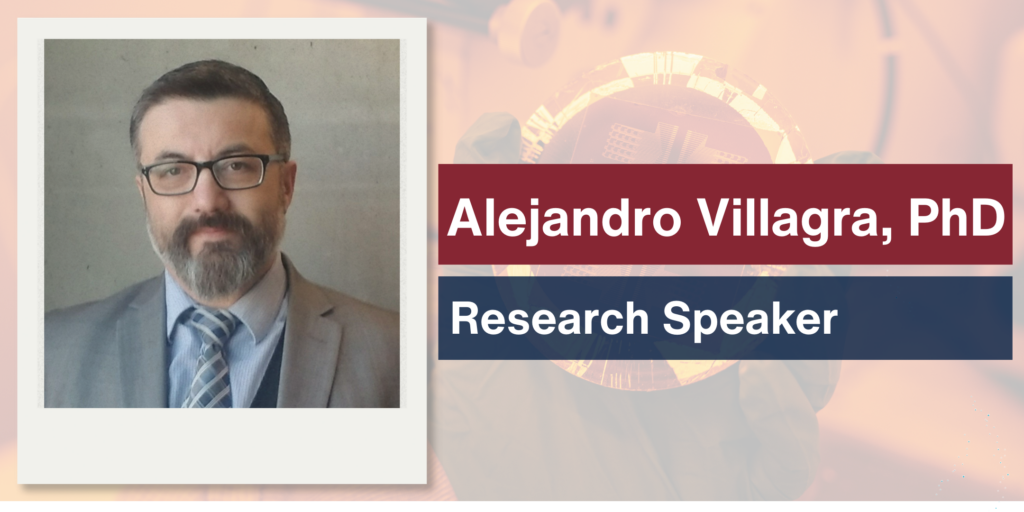
Alejandro Villagra’s work translates his expertise in tumor immunology and epigenetics into a focused effort to discover and evaluate novel selective small-molecule inhibitors for the clinical area. Working across a broad range of models, including solid tumors, hematological malignancies, and essential translational components like patient-derived xenografts, his research is dedicated to identifying and characterizing the immunomodulatory roles of HDACs and other epigenetic modifiers in immune and cancer cells. This work, built upon strong preliminary data suggesting a pivotal role for macrophages in the tumor microenvironment, aims to precisely modulate epigenetic activity with the ultimate goal of enhancing antitumor immune responses and aligning scientific endeavors with the most relevant biomedical objectives. His ongoing research is supported by robust funding from government agencies (NIH, NSF), foundations (MRF, CRI), and industry partnerships.
Kate Woodsome
The Red House Journey Framework: The missing infrastructure of a healthy democracy
The Invisible Threads Impact Lab translates behavioral and social science into practical tools for the journalists, educators, and civic leaders who sustain democracy. Working with global trauma and systems change experts convened by Georgetown University’s Red House research and design unit and the psychology department, Woodsome is developing the curriculum, products, and field infrastructure to turn that knowledge into lasting civic capacity.
Lab website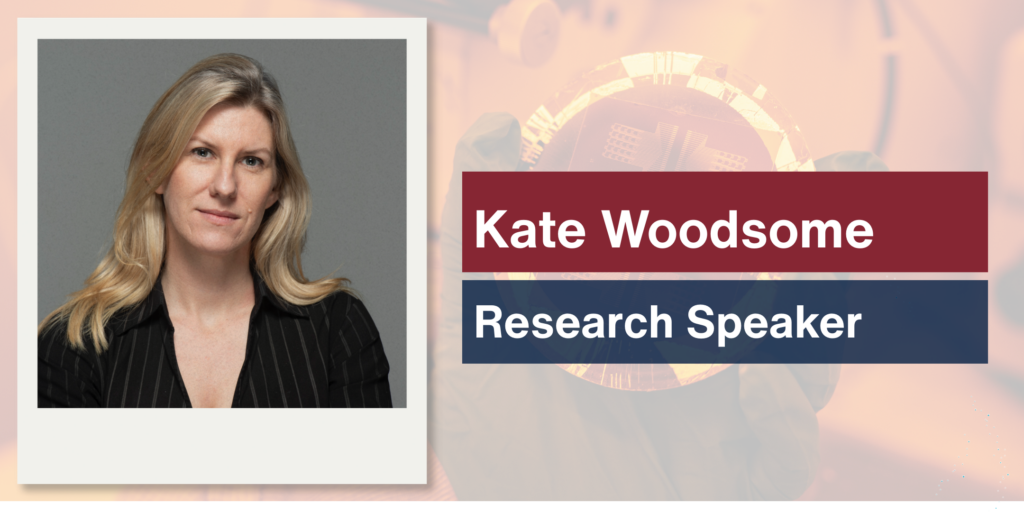
Kate Woodsome is a Pulitzer Prize–winning journalist, Georgetown University visiting scholar and founder and executive director of the Invisible Threads Impact Lab, building the personal and civic resilience democracy depends on.
For two decades, Woodsome reported and led global news teams for Voice of America, Al Jazeera English, and The Washington Post — covering upheaval from Cuba to Cambodia and Hong Kong to Washington, DC. She was part of the Post team that won the Pulitzer Prize for Public Service for covering the January 6 attack on the U.S. Capitol.
The aftermath gave Woodsome a visceral, firsthand understanding of how unprocessed trauma fuels the polarization tearing democratic life apart — and why traditional institutions aren’t built to address it. She left journalism in 2023 to build something that could. Speaker Profile
Speaker contact form